
The Ultimate Beginner Workout Plan To Lose Fat Fast
Starting a fitness journey can feel overwhelming, but mastering the ultimate beginner workout plan to lose fat fast is simpler than most people realize. By combining consistent movement with a structured approach, you create a sustainable path toward your goals. You don’t need fancy equipment or hours of free time to see meaningful changes in your body composition.
This routine focuses on efficiency, helping you build a foundation of strength while burning calories effectively. With the right strategy, you’ll find that losing weight becomes a manageable part of your daily routine rather than a chore.

- 2 sets of adjustable dumbbells (ranging from 5 to 20 pounds)
- 1 sturdy, non-slip exercise mat
- 1 pair of supportive athletic shoes
- 1 water bottle (refilled with 20 ounces of water)
- 1 timer or fitness watch to track intervals
- 1 pair of comfortable, moisture-wicking workout clothes
- 1 towel for sweat management
Instructions

- Perform a 5-minute dynamic warm-up, including arm circles, leg swings, and torso twists to prepare your joints.
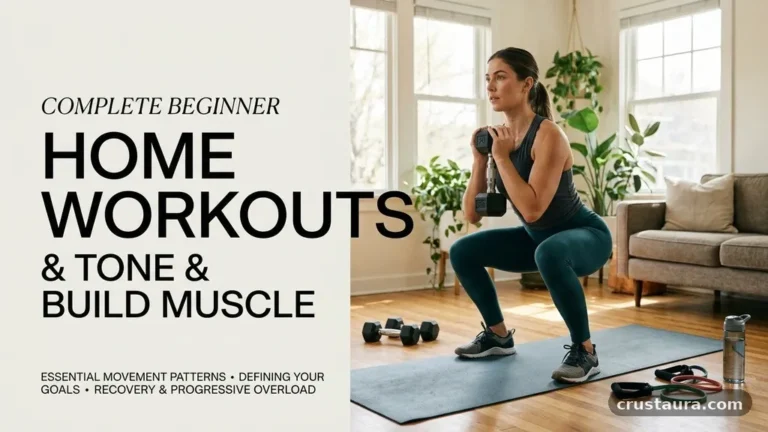
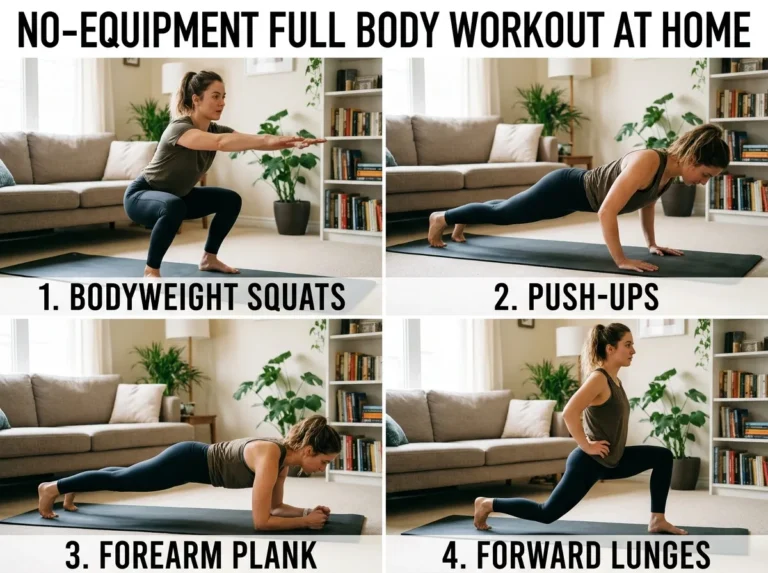
- Begin the strength portion with 3 sets of 12 bodyweight squats, focusing on keeping your heels planted and chest upright.
- Move immediately into 3 sets of 10 push-ups, dropping to your knees if necessary to maintain proper form until you feel muscle fatigue.
- Execute 3 sets of 12 dumbbell rows per arm, ensuring your back remains flat throughout the movement.
- Transition to 3 sets of 15 walking lunges, keeping your core tight to maintain balance through each step.
- Finish the strength circuit with a 45-second plank hold, focusing on keeping your glutes squeezed and spine neutral.
- Complete 15 minutes of moderate-intensity cardio, such as brisk walking or cycling, to maximize your heart rate.
- Cool down with 5 minutes of static stretching, holding each stretch for 30 seconds to aid in recovery.
Tips
- Substitute water bottles for dumbbells if you are training at home without equipment.
- Prepare your workout clothes the night before to reduce friction and help you stay consistent.
- Store your workout gear in a visible spot to remind yourself of your commitment each day.
- Avoid common mistakes like rushing through repetitions; focus on controlled movement to prevent injury.
- Track your progress in a notebook to see how your strength improves over the weeks.
Understanding the Basics of Fat Loss
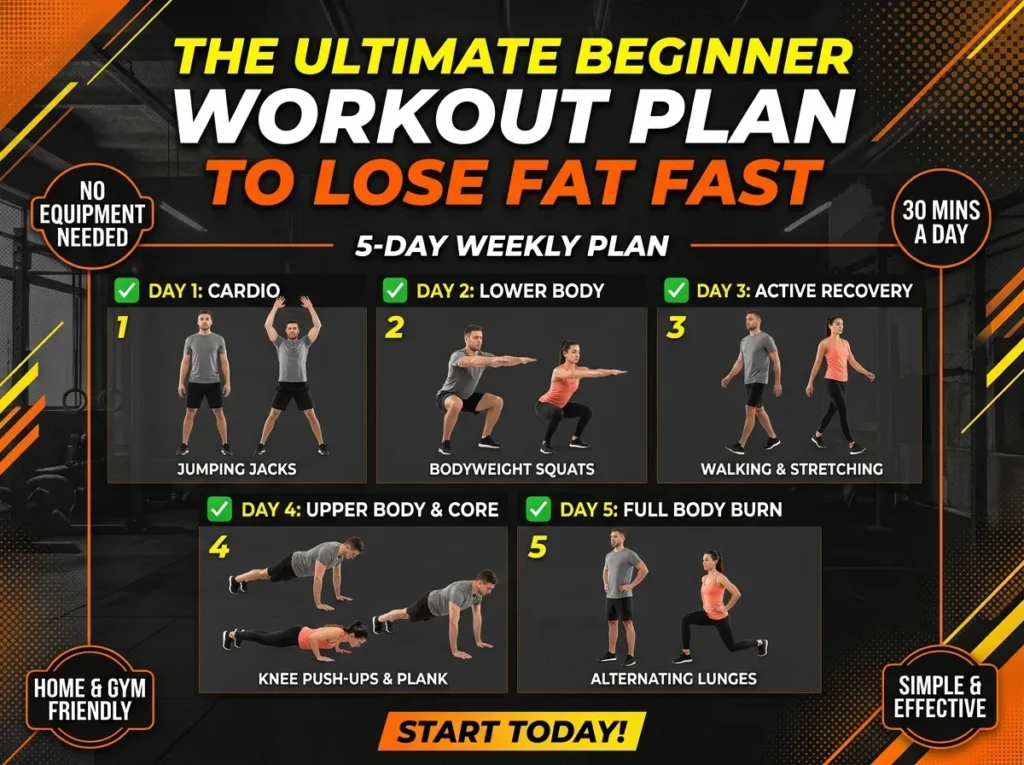
Effective weight loss isn’t just about moving more; it’s about understanding how your body utilizes energy. When you engage in consistent exercise, you create a calorie deficit that forces your system to tap into stored energy reserves. This process is the core mechanism behind the ultimate beginner workout plan to lose fat fast.
Strength training plays a critical role here because it helps preserve lean mass. As you develop more muscle, your resting metabolic rate increases, meaning you burn more energy even when you aren’t working out. Focus on compound movements that engage multiple muscle groups simultaneously, as these provide the highest return on your time investment.
The Importance of Full Body Workouts

Full body sessions are superior for beginners because they allow for higher frequency of muscle stimulation. By hitting every major muscle group in one session, you ensure that no part of your body is neglected. This approach allows you to train three days per week while still providing ample recovery time for your muscles to repair and grow.
You will find that full body routines keep your heart rate elevated throughout the session. This effectively blends your strength training with a cardio element, optimizing your time in the gym. Consistency is the secret ingredient, so choose a schedule that you can realistically stick to for the long term.
Mastering Proper Form for Safety
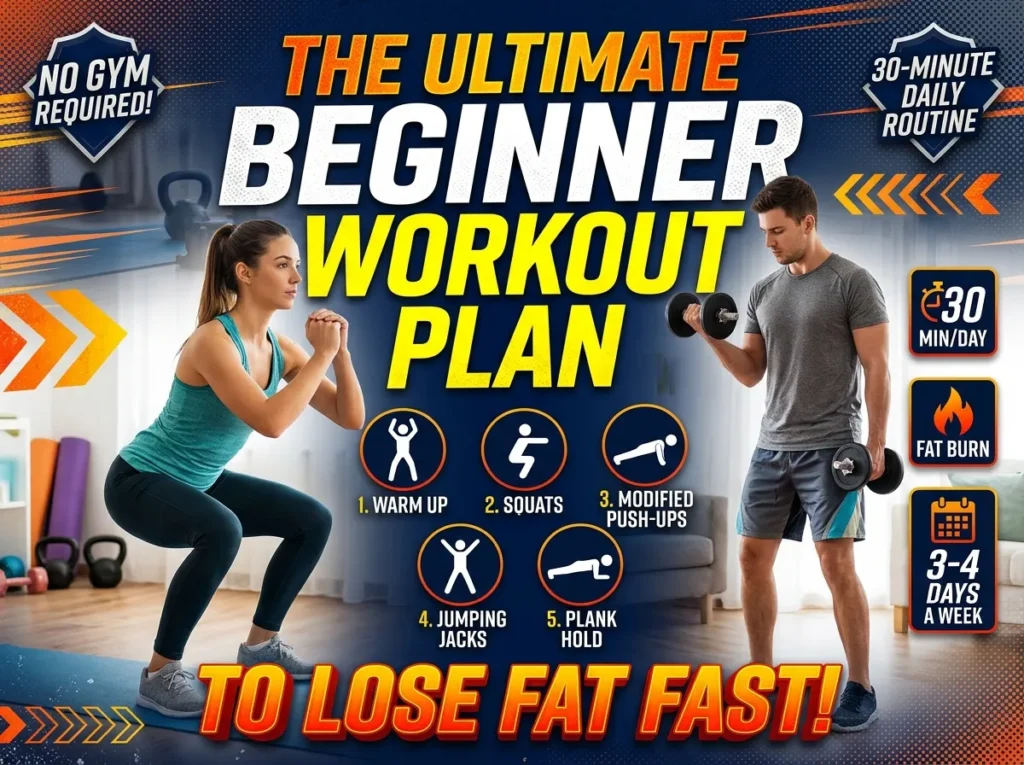
Before you add weight or increase intensity, you must master the mechanics of each movement. Improper form is the leading cause of training setbacks and injuries that can derail your progress. If you aren’t sure about a specific move, consult the National Academy of Sports Medicine for guidance on standard exercise techniques.
Start with light weights or just your body weight to build coordination. Focus on the mind-muscle connection, feeling the specific muscles contract during each repetition. Once you can perform the movement perfectly for all sets and reps, then consider increasing the resistance.
Integrating Cardio for Maximum Efficiency
While lifting weights builds the metabolic engine, cardio provides the spark that burns extra calories. You don’t need to spend hours on a treadmill to see results. Incorporating short, focused bursts of movement is often more effective for busy individuals.
Try to add 15 to 20 minutes of moderate activity at the end of your resistance training. This could be brisk walking, light jogging, or using a stationary bike. By stacking your cardio after your strength work, you ensure your body is primed to burn fat more efficiently.
Designing Your Weekly Schedule
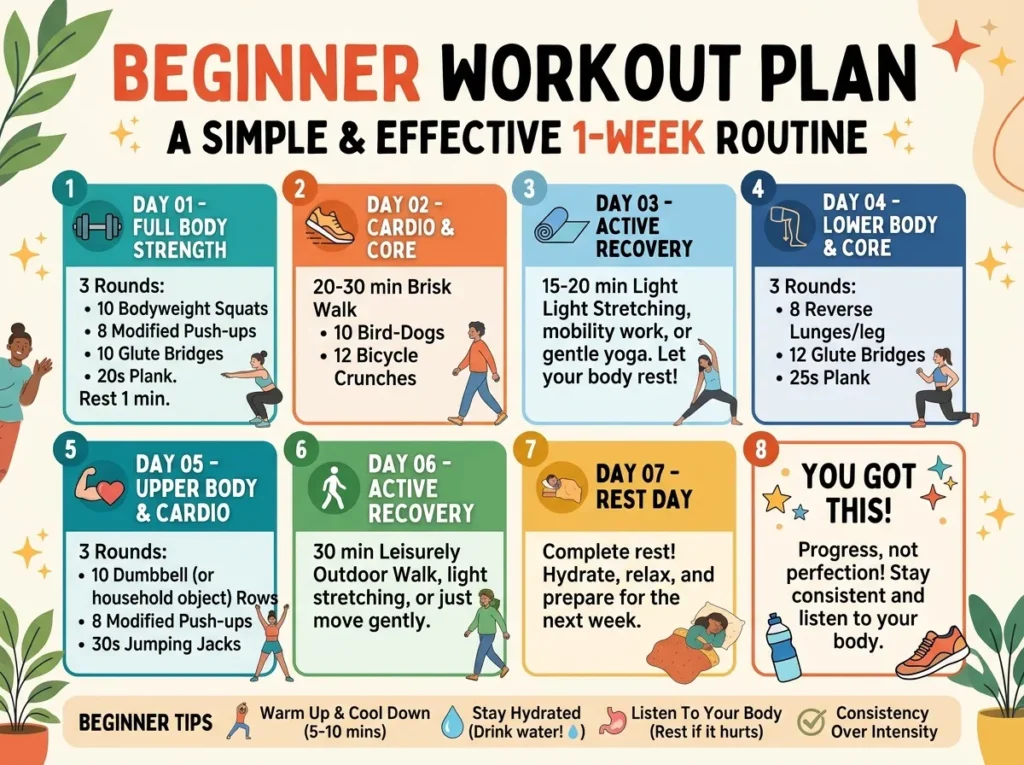
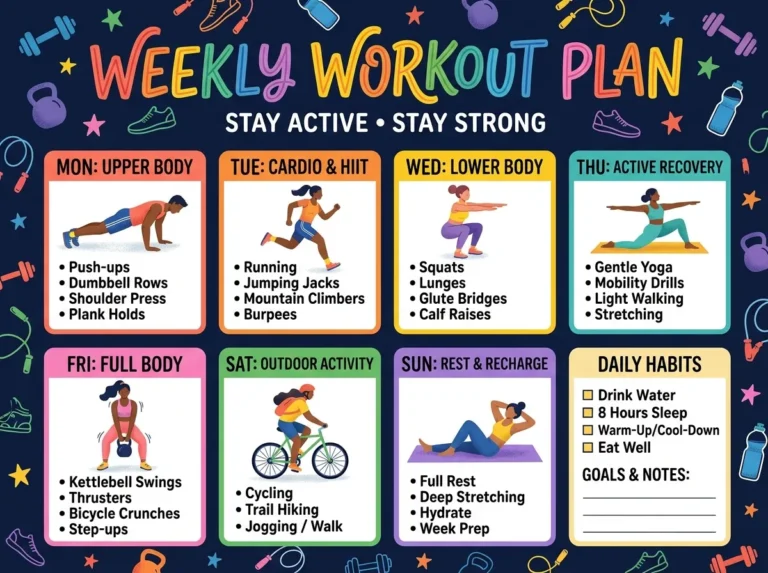
A sustainable workout plan is one that fits seamlessly into your life. Aim for three full-body sessions per week, with at least one rest day between them. This structure provides the perfect balance of stimulus and recovery.
On your off days, try to stay active with low-impact movement like walking or stretching. This keeps your joints limber and helps reduce the soreness that often follows a new training routine. Remember that your body changes during the rest periods, not just while you are under the iron.
Tracking Progress Beyond the Scale
The scale can be a deceptive tool because it doesn’t distinguish between muscle gain and fat loss. Focus on how your clothes fit and how much energy you have throughout the day. These are often better indicators of your fitness level than a single number.
Take progress photos every four weeks to visualize the changes in your body composition. You will likely notice your posture improving and your muscle tone becoming more defined. These small, non-scale victories are powerful motivators that keep you moving toward your goal.

Nutrition and Recovery Essentials
Exercise is only half of the equation; your fuel intake determines how well you recover and perform. Prioritize protein-rich foods to support muscle repair after your training sessions. Hydration is equally important, as even mild dehydration can decrease your performance and make workouts feel harder.
Aim for a balanced diet that includes plenty of vegetables, whole grains, and healthy fats. Avoid overly restrictive diets, as they are rarely sustainable and often lead to burnout. Focus on nourishing your body so it has the energy to tackle the next challenging session.
Common Questions About Beginner Fitness
What is the best workout for beginners to burn fat?
The best approach is a combination of compound resistance training and consistent, moderate cardio. This dual-action strategy builds the muscle needed to boost your metabolism while burning calories during the session.
What is the 3-3-3 rule for fat loss?
While not a formal medical standard, many people use this to refer to three days of strength training, three days of focused cardio, and three days of mindful eating. It is a simple framework to build habits that promote long-term weight management.
How can I drop 20 pounds quickly?
Rapid weight loss is rarely healthy or sustainable. Focus on steady progress, aiming for one to two pounds per week through a combination of diet and exercise. This ensures you are losing fat rather than muscle or water weight.
What is the fastest workout to lose fat?
High-intensity intervals are often cited as the fastest way to burn calories, but they are demanding. For a beginner, the fastest path is the one you can actually stick to consistently without getting injured.
Should I train every day?
No, your muscles need time to recover and repair after strength training. Three to four days of intentional exercise per week is usually sufficient for beginners to see excellent results.
Your Path to Lasting Results
Embarking on the ultimate beginner workout plan to lose fat fast is a commitment to your long-term health. By focusing on fundamental strength movements and regular cardio, you are building a foundation that will serve you for years to come. Remember that progress isn’t always linear, so be patient with yourself during the process.
Listen to your body, celebrate your small wins, and stay consistent even when motivation dips. You have the tools and the plan to reach your goals, so take that first step today. We would love to hear about your progress and the milestones you hit along your journey.
The Ultimate Beginner Workout Plan To Lose Fat Fast

Starting a fitness journey can feel overwhelming, but mastering the ultimate beginner workout plan to lose fat fast is simpler than most people realize. By combining consistent movement with a structured approach, you create a sustainable path toward your goals.
Ingredients
- 2 sets of adjustable dumbbells (ranging from 5 to 20 pounds)
- 1 sturdy, non-slip exercise mat
- 1 pair of supportive athletic shoes
- 1 water bottle (refilled with 20 ounces of water)
- 1 timer or fitness watch to track intervals
- 1 pair of comfortable, moisture-wicking workout clothes
- 1 towel for sweat management
Instructions
- Perform a 5- minute dynamic warm-up, including arm circles, leg swings, and torso twists to prepare your joints.
- Begin the strength portion with 3 sets of 12 bodyweight squats, focusing on keeping your heels planted and chest upright.
- Move immediately into 3 sets of 10 push-ups, dropping to your knees if necessary to maintain proper form until you feel muscle fatigue.
- Execute 3 sets of 12 dumbbell rows per arm, ensuring your back remains flat throughout the movement.
- Transition to 3 sets of 15 walking lunges, keeping your core tight to maintain balance through each step.
- Finish the strength circuit with a 45-second plank hold, focusing on keeping your glutes squeezed and spine neutral.
- Complete 15 minutes of moderate-intensity cardio , such as brisk walking or cycling, to maximize your heart rate.
- Cool down with 5 minutes of static stretching, holding each stretch for 30 seconds to aid in recovery.
Similar Posts
The Ultimate Beginner Workout Plan To Lose Fat Fast
Finding the right approach to fitness can feel overwhelming, but implementing the Ultimate Beginner Workout Plan To Lose Fat Fast simplifies the journey toward your health goals. By combining targeted movement with consistent effort, you will build foundational strength and increase your daily energy expenditure. This structured routine focuses on efficiency, helping you maximize results…
At-Home Fat Burning Workout Routine For Beginners
Starting an at-home fat burning workout routine for beginners is an accessible way to improve your health without needing a expensive gym membership or specialized gear. By focusing on consistent movement and intensity, you can effectively boost your metabolic rate and build a foundation for long-term physical endurance. This approach centers on functional, multi-joint movements…
3 Realistic Weekly Workout Plans For Women At Home
Finding realistic weekly workout plans for women at home shouldn’t feel like a chore or an impossible puzzle. When you have a clear strategy, fitting movement into your busy schedule becomes much simpler and more sustainable. These routines focus on consistency rather than intensity, helping you build strength and energy without needing a gym membership….
Complete Beginner Guide To Home Workouts
Finding a sustainable path to physical fitness often begins with a complete Beginner Guide To Home Workouts. You do not need a commercial gym membership or expensive machinery to build strength, improve cardiovascular health, and move with more ease. By focusing on bodyweight exercises and minimal equipment, you can transform your living room into a…
Tone And Build Muscle Gym Routine For Women
Finding a reliable tone and build muscle gym routine for women is the first step toward achieving lasting physical strength and confidence. Many people feel overwhelmed by the sheer volume of conflicting fitness advice, but the core principles remain straightforward and highly effective for most individuals. By focusing on consistent resistance training and progressive overload,…
No-Equipment Full Body Workout At Home
Finding a reliable no-equipment full body workout at home can transform your fitness routine without requiring a gym membership or bulky gear. By leveraging your own weight and gravity, you can build lean muscle, increase cardiovascular endurance, and improve overall functional strength. This approach is highly efficient for those with busy schedules who need to…