At-Home Fat Burning Workout Routine For Beginners
Starting an at-home fat burning workout routine for beginners is an accessible way to improve your health without needing a expensive gym membership or specialized gear. By focusing on consistent movement and intensity, you can effectively boost your metabolic rate and build a foundation for long-term physical endurance. This approach centers on functional, multi-joint movements that engage multiple muscle groups simultaneously, ensuring you maximize caloric expenditure during your sessions.
Whether you have twenty minutes or an hour, the key lies in maintaining proper exercise form and staying committed to a regular schedule. You’ll soon find that small, daily efforts lead to significant improvements in your overall cardiovascular health.
Understanding the Basics of Fat Loss
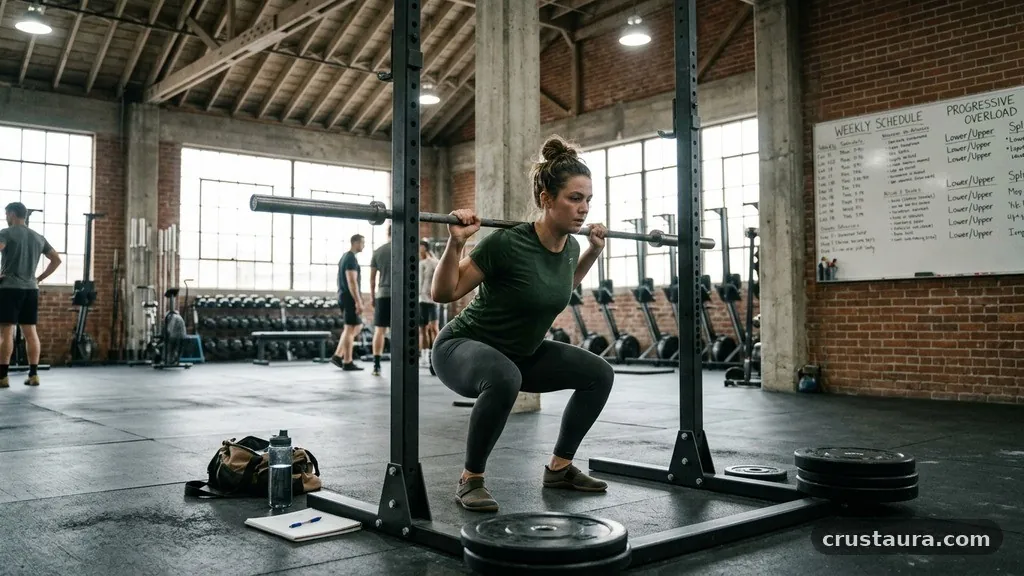
Achieving sustainable weight loss requires a consistent caloric deficit, meaning you consume fewer calories than your body burns over time. While nutrition is the primary driver, exercise plays a critical role in increasing your daily energy expenditure and preserving lean muscle mass. When you engage in consistent physical activity, your body adapts by becoming more efficient at utilizing stored energy.
You don’t need fancy machinery to see results; simple body weight exercises are often enough to trigger metabolic changes. By focusing on movements that target large muscle groups, you ensure that your heart rate stays elevated, which is vital for burning fat efficiently.
The science behind this process often points to the role of post-exercise oxygen consumption. After a challenging workout, your body continues to use energy at an elevated rate to repair tissues and restore balance. This phenomenon is particularly pronounced after high-intensity interval training, or HIIT, where short bursts of effort are followed by brief recovery periods.
For beginners, the goal isn’t to reach exhaustion immediately but to build capacity over several weeks. Consistency remains the most important factor in seeing changes in your body composition and energy levels.
The Foundation of Compound Movements
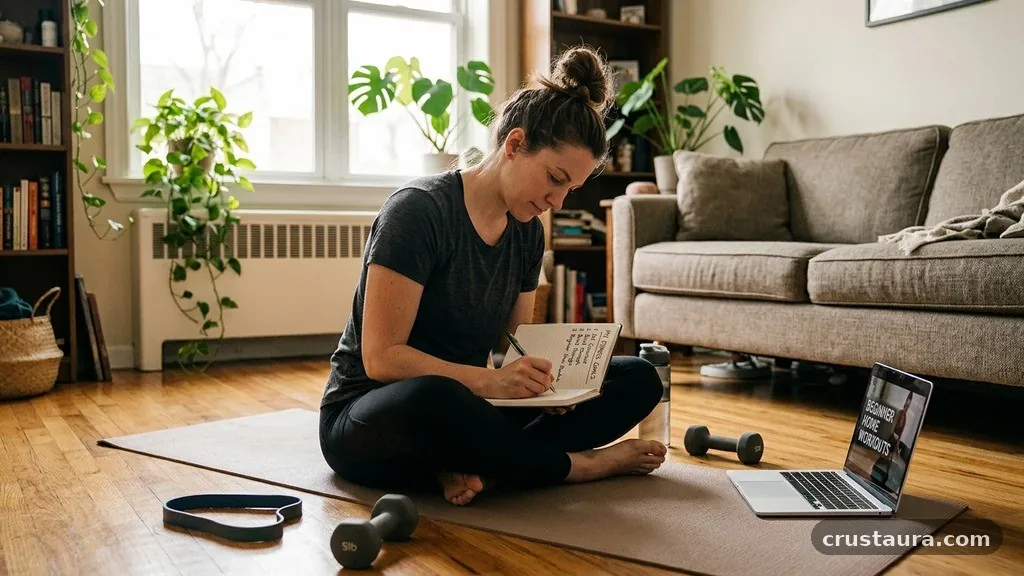
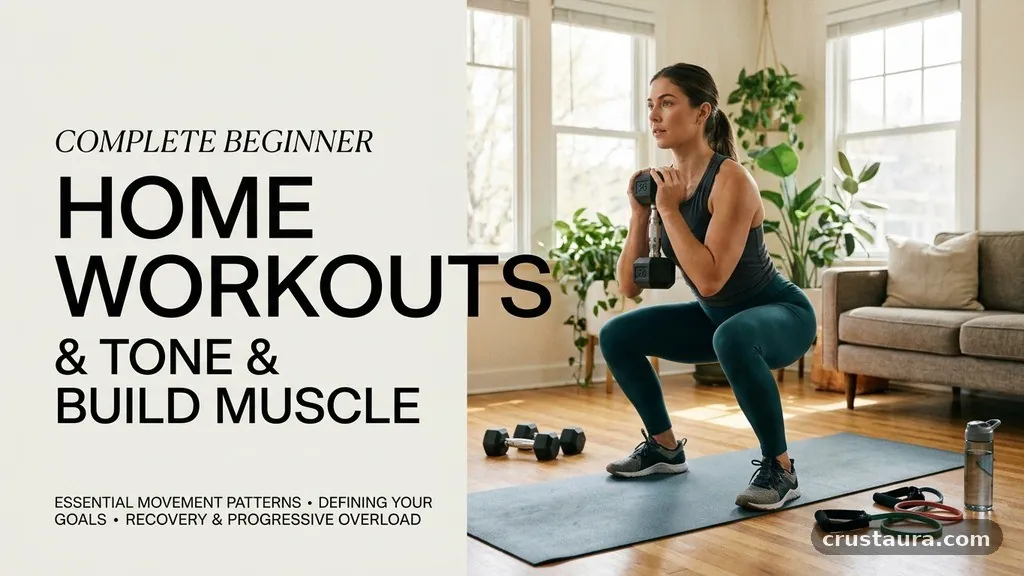
Compound movements form the backbone of any effective fitness plan because they recruit multiple joints and muscle groups at once. Exercises like bodyweight squats, push-ups, and lunges are highly efficient because they require coordination and core stability. By performing these movements, you challenge your body to work harder than it would during isolated exercises.
This increased demand leads to higher caloric burn and promotes muscle hypertrophy, which is essential for a toned physique. Beginners should prioritize mastering the mechanics of these movements before increasing speed or intensity.
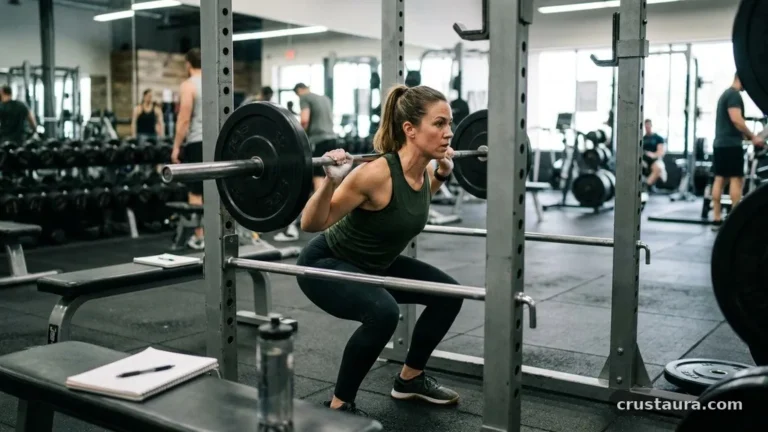
When you perform a squat, for example, you engage your quadriceps, hamstrings, glutes, and core simultaneously. This multi-faceted engagement is exactly why these exercises are superior for burning fat at home. You can easily modify these movements to suit your current fitness level, making them ideal for someone just starting out.
As you get stronger, you can introduce variations that add difficulty without needing extra equipment. Focus on the quality of each repetition rather than the quantity, as poor form often leads to injury rather than progress.
Implementing High-Intensity Intervals
High-intensity interval training, or HIIT, is a powerful tool for those looking to maximize their time spent exercising. This method involves alternating between periods of intense effort and short rest intervals. By pushing your heart rate into higher zones, you challenge your aerobic capacity and improve your anaerobic threshold.
This style of training is exceptionally effective at burning fat because it forces the body to work harder to recover. You can apply this structure to almost any body weight exercise, including mountain climbers or burpees.
For a beginner-friendly HIIT session, try a 30-second work interval followed by a 30-second rest period. Repeat this cycle for ten to fifteen minutes to start, gradually increasing the duration as your endurance improves. It is important to monitor your effort level, ensuring you are pushing yourself while staying within a safe range.
Always listen to your body and prioritize recovery if you feel excessive strain. HIIT is demanding, so limiting these sessions to two or three times a week is usually sufficient for most people.
Essential Exercises for Your Routine

Creating a balanced routine involves picking a variety of movements that cover your entire body. Focus on exercises that can be performed in a small space with minimal equipment requirements. Below is a list of effective movements that should be staples in your weekly plan:
- Push-ups: Excellent for building upper body strength in the chest, shoulders, and triceps.
- Bodyweight Squats: The foundational movement for lower body development and core stability.
- Lunges: Great for improving balance and targeting the glutes and hamstrings unilaterally.
- Mountain Climbers: A dynamic movement that elevates the heart rate while working the core.
- Plank: A static hold that builds deep core strength and improves posture.
- Burpees: A full-body exercise that combines strength and cardiovascular demand.
Each of these movements can be scaled to your ability. If a standard push-up is too difficult, start by performing them on your knees or against a sturdy wall. As you get stronger, you can move to the floor and eventually try variations that add more challenge.
The variety ensures that you hit different muscle groups throughout the week, preventing overuse injuries. Always warm up thoroughly before starting these movements to prepare your joints and muscles for the work ahead.
Structuring Your Weekly Schedule
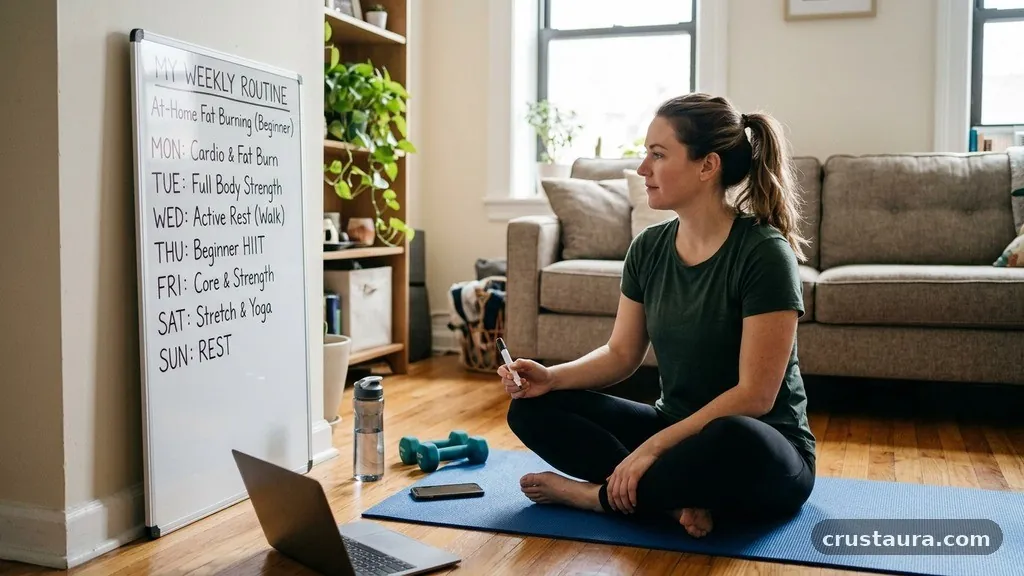
Fitness consistency is the bridge between setting a goal and actually achieving it. A well-structured weekly schedule prevents burnout and allows for adequate recovery between sessions. Most beginners benefit from a balance of strength-focused days and active recovery days.
You might aim for three days of structured workouts, one day of active recovery like walking or stretching, and the rest as light activity. This variety keeps your routine engaging and prevents the boredom that often leads to quitting.
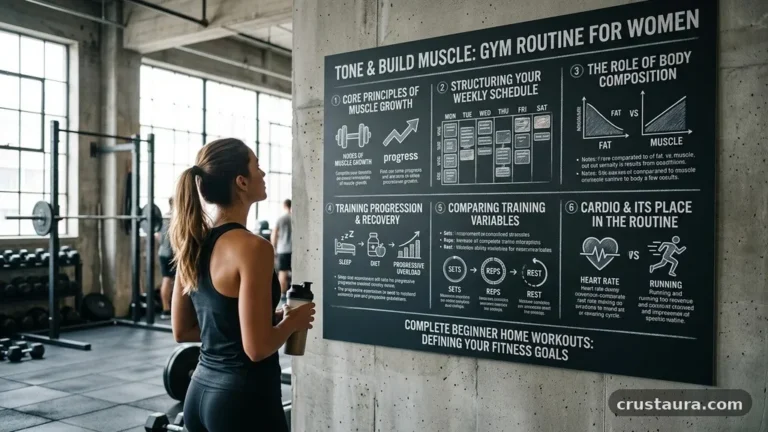
Use the following table as a template for your training week, keeping in mind that you should adjust it based on your schedule.
| Day | Activity Type | Focus Area |
|---|---|---|
| Monday | Full Body Strength | Compound Movements |
| Tuesday | Active Recovery | Walking or Stretching |
| Wednesday | HIIT Session | Cardiovascular Health |
| Thursday | Rest | Full Recovery |
| Friday | Full Body Strength | Endurance & Stability |
| Saturday | Light Activity | Movement & Mobility |
| Sunday | Rest | Preparation |
This structure provides enough stimulus to see progress while allowing your muscles time to repair. If you find yourself feeling overly fatigued, swap a strength day for an active recovery day. Remember that your body adapts during rest, not just during the workout itself.
Staying flexible with your plan is key to maintaining long-term habits. You can find more information on safe exercise practices through the Centers for Disease Control and Prevention guidelines.
The Role of Warm-Up and Cool-Down
A proper warm-up routine is non-negotiable when you are starting a new fitness journey. Warming up increases blood flow to your muscles, raises your body temperature, and prepares your joints for the movements to come. Skipping this step often leads to stiff muscles and an increased risk of injury.
Spend five to ten minutes doing light movements like arm circles, leg swings, and marching in place. This prepares your nervous system for the impending work and helps you perform better during the main session.
Just as important is the cool-down, which helps your heart rate return to resting levels gradually. Incorporating cool-down stretches can help reduce post-workout muscle soreness and improve your overall flexibility. Focus on the muscles you used the most during your session, holding each stretch for twenty to thirty seconds.
This time is also excellent for checking in with how your body feels after the exertion. Never rush your cool-down, as it is a vital part of the recovery process that supports your long-term success.
Progressive Overload for Continued Results
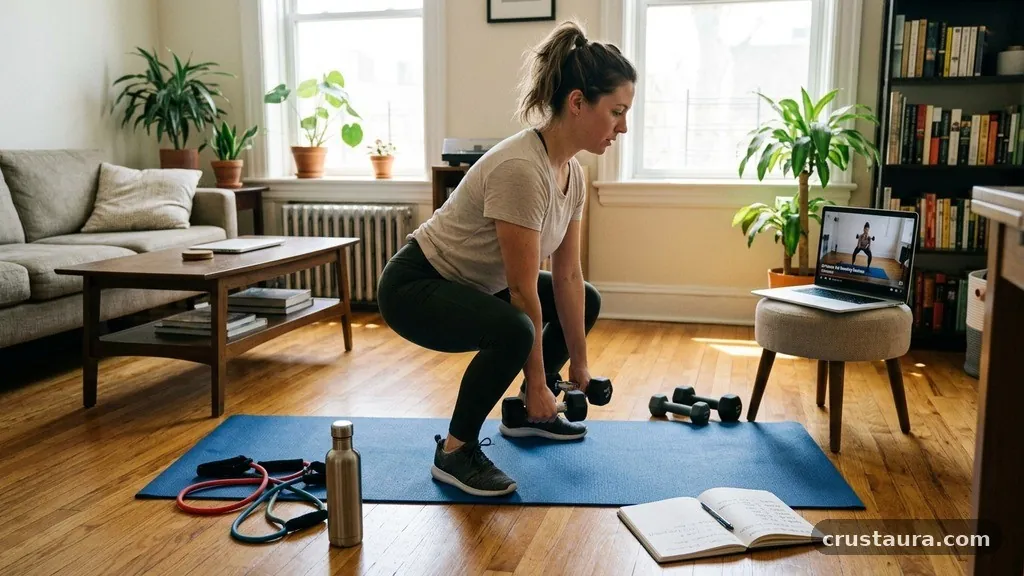
Progressive overload is the concept of gradually increasing the demands on your body during exercise. Without this, your progress will eventually plateau as your body adapts to the current workload. You can implement this by adding more repetitions, reducing rest intervals, or slowing down the tempo of your movements.
Even small changes, like adding five seconds to your plank hold or performing two extra squats, count as progress. This ensures that your muscles are constantly being challenged to adapt and grow stronger.
Tracking your workouts is the best way to manage progressive overload effectively. Keep a simple log of the exercises you performed, the number of repetitions, and how you felt during the session. When you look back at your notes after a few weeks, you will see exactly where you have improved.
This data provides motivation and helps you decide when it is time to push for a bit more intensity. Never increase intensity too quickly, as slow and steady progress is much more sustainable for beginners.
Common Questions About At-Home Fitness
Can I see results without any home gym equipment?
Yes, you can achieve significant fitness improvements using only your own body weight. Many of the most effective exercises for fat loss, such as squats and push-ups, require no equipment at all. The resistance provided by your own mass is sufficient to stimulate muscle development and cardiovascular growth.
How long should my workouts be?
For beginners, twenty to thirty minutes of focused exercise is more than enough to see results. Quality is far more important than quantity when you are first starting out. As your fitness improves, you can gradually increase the duration of your sessions to match your new capacity.
What if I feel sore after a workout?
Mild muscle soreness is a normal part of the adaptation process when starting a new routine. Ensure you are getting enough sleep, staying hydrated, and incorporating active recovery days to help your body heal. If the pain becomes sharp or localized to a joint, take a few extra days off to recover fully.
How often should I work out?
Aiming for three to four days of structured exercise per week is a great starting point. This frequency provides enough stimulus to see progress while leaving ample time for your body to recover. Consistency is much more important than hitting a high number of workouts per week.
Is it better to do cardio or strength training?
Both are valuable, but combining them into a single routine is the most efficient way to burn fat. Strength training builds the muscle mass that helps keep your metabolism high, while cardio improves your heart health and caloric expenditure. A well-rounded routine includes elements of both.
Staying Consistent for Long-Term Success
Building an at-home fat burning workout routine for beginners is a journey that rewards patience and persistence. You don’t need to be perfect every single day to see results; you simply need to keep showing up. Focus on the feeling of accomplishment that comes after completing a session, rather than just the number on the scale.
Celebrate the small victories, like being able to perform more repetitions or feeling less winded during your daily tasks. These improvements are clear indicators that your body is becoming stronger, healthier, and more resilient.
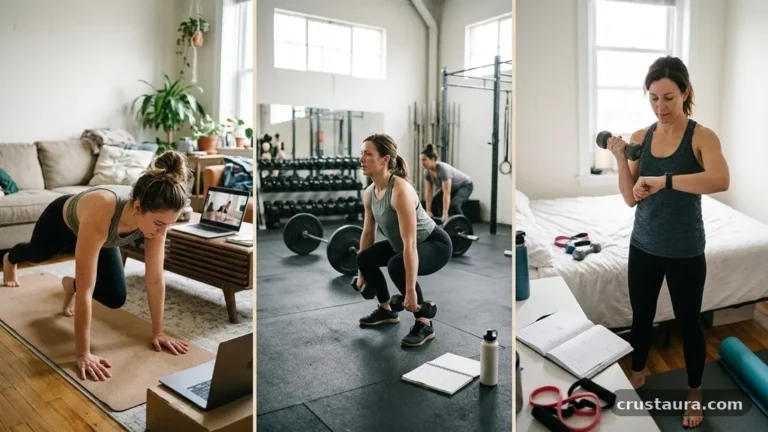
Remember that your routine should adapt as your life changes and your fitness level improves. If you find yourself struggling, simplify your plan and focus on the basics until you feel ready to step it up again. Keep your environment motivating by creating a dedicated space for your exercise, even if it is just a corner of your living room.
By making movement a natural part of your week, you are investing in your future health. Stay committed to your personal growth, and you will find that the effort you put in today pays dividends for years to come.