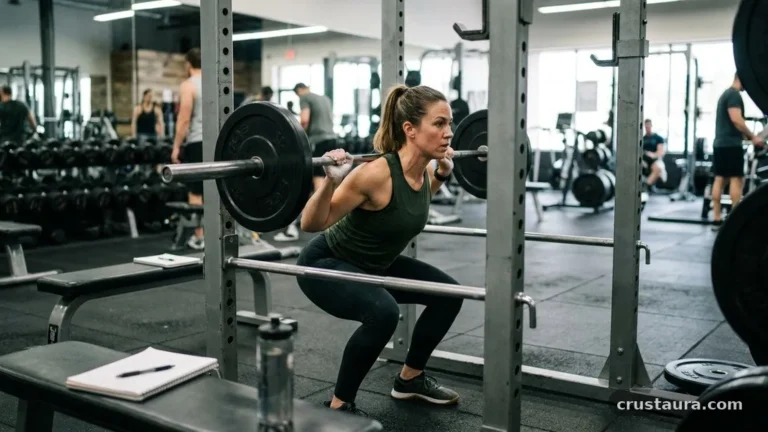

3 Realistic Weekly Workout Plans For Women At Home
Finding realistic weekly workout plans for women at home shouldn’t feel like a chore or an impossible puzzle. When you have a clear strategy, fitting movement into your busy schedule becomes much simpler and more sustainable. These routines focus on consistency rather than intensity, helping you build strength and energy without needing a gym membership.
Whether you are a beginner or looking to refresh your current fitness habit, these options provide the structure you need to succeed. By choosing a program that aligns with your lifestyle, you ensure that you stay active, feel stronger, and genuinely enjoy the process of improving your physical health from the comfort of your living room.
Structured Fitness Approaches for Home

1. The three-day full-body split is perfect for busy schedules, focusing on compound movements that recruit multiple muscle groups to maximize your limited time and effort each session.
Prioritize movements like squats, lunges, push-ups, and rows, performing three sets of ten to twelve reps for each, ensuring you rest for sixty seconds between every set to recover.
2. A low-impact cardio and mobility focus emphasizes longevity and joint health, integrating rhythmic movement with deep stretching to keep your body feeling limber and ready for daily life.
Dedicate twenty minutes to brisk walking in place or step-touches, followed by ten minutes of focused static stretching, targeting your hips, hamstrings, and shoulders to improve your overall range.
3. The high-intensity interval circuit provides a rapid, effective way to burn fat and boost your cardiovascular endurance in under twenty-five minutes, making it ideal for high-pressure work days.
Perform a sequence of jumping jacks, mountain climbers, and burpees for forty seconds of work followed by twenty seconds of rest, repeating the entire circuit four times without long breaks.
Building Sustainable Habits

Consistency is the foundation of any successful fitness journey, especially when you are training in your own space. It is easy to skip a workout when you are at home, but maintaining a dedicated space and time helps mentally prepare you for the effort.
Remember that your body needs time to adapt to new demands, so start slowly to avoid injury and keep your motivation high. You can find more information on physical activity guidelines to understand how different types of movement contribute to your long-term health goals.
Recovery is just as important as the actual training sessions. During rest days, your muscles repair and grow stronger, which is essential for long-term progress.
If you push too hard without taking breaks, you increase the risk of burnout or fatigue, which can derail your consistency. Listen to your body’s signals; if you feel unusually tired or sore, it is perfectly fine to swap a high-energy workout for a gentle walk or a light yoga session to keep the habit alive without overtaxing your system.
Nutrition and hydration play a massive role in how you feel during your workouts. Drinking enough water throughout the day ensures your muscles function properly during exercises, preventing premature fatigue.
Eating a balanced diet with enough protein helps support the muscle tissue you are working to build. You don’t need a complex diet plan, but focusing on whole, nutrient-dense foods will provide the fuel necessary to power through your weekly routines and recover effectively for the next session.

Frequently Asked Questions
How many days a week should I exercise to see results?
Aiming for three to four days of intentional movement is usually sufficient to see improvements in strength and energy levels. Consistency over a long period beats sporadic, intense training sessions.
Can I build muscle without heavy gym equipment?
Yes, you can build muscle using your own body weight by increasing the intensity of your reps, slowing down the movement, or reducing rest times between your sets.
What should I do if I miss a scheduled workout?
Don’t worry about it; simply resume your plan the next day. One missed session won’t undo your progress, as long as you return to your routine consistently afterward.
Is it necessary to do cardio every day?
Cardio is beneficial for heart health, but it isn’t strictly necessary to do it daily. Mixing in strength training and dedicated recovery time often leads to better overall results.
How do I know if I am pushing myself enough?
You should feel challenged during your workouts, meaning your heart rate is elevated and your muscles feel tired by the end of your sets, but you shouldn’t feel pain.
Moving Forward with Confidence
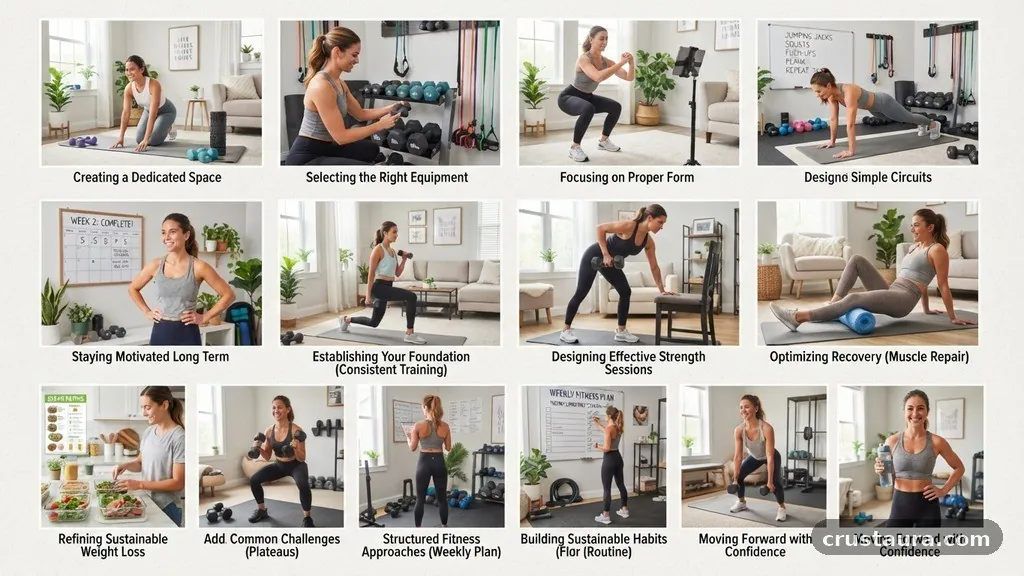
Starting your journey with realistic weekly workout plans for women at home is a powerful step toward a healthier, more vibrant version of yourself. By focusing on simple, effective movements and honoring your body’s need for recovery, you create a sustainable path that lasts well beyond a few weeks.
Remember that progress is rarely a straight line; some days you will feel unstoppable, while others may require you to scale back and simply show up for yourself. The goal is to build a lifestyle that supports your well-being, not just a temporary fix.
As you implement these routines, stay curious about what your body can achieve. Pay attention to how your mood, energy, and strength change over time. If you find yourself enjoying a particular type of exercise, lean into it and make it a staple of your week.

You have the tools and the capacity to make fitness a natural, rewarding part of your life. Start today by setting aside time for your first session and keep moving forward one day at a time.