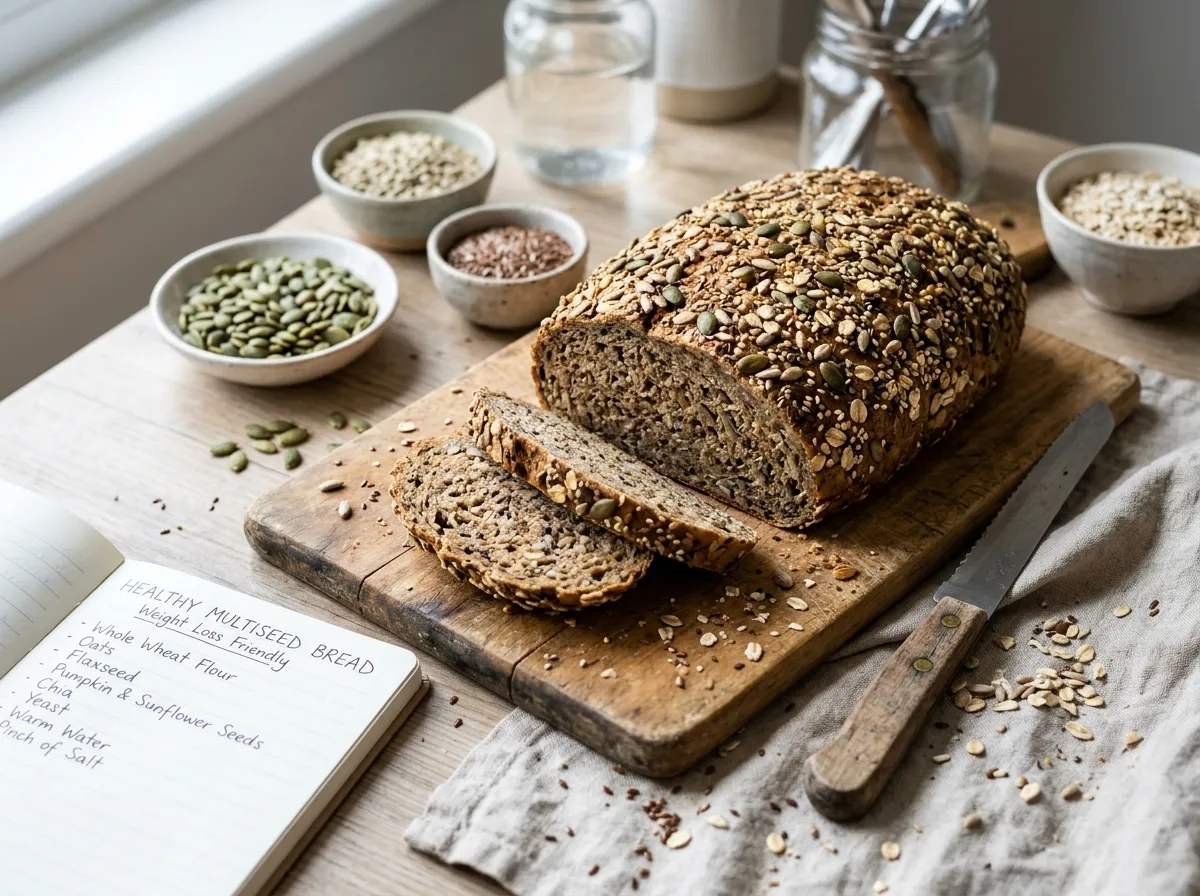
Healthy Multiseed Bread Recipe For Weight Loss
Finding a satisfying, nutrient-dense loaf that fits into your dietary goals is a common challenge for those pursuing a healthier lifestyle. A homemade healthy multiseed bread recipe for weight loss provides a perfect solution, allowing you to control exactly what goes into your meals while enjoying the hearty texture and deep flavor of whole grains.
By combining fiber-rich seeds with wholesome flours, you create a satiating staple that supports long-term wellness. This approach to baking moves away from processed supermarket options, giving you a fresh, fiber-packed slice that keeps you full for longer.
- Prep time: 15 minutes
- Cook time: 30 minutes
- Total time: 45 minutes
- Servings: 4
- Calories: 420 per serving
Ingredients
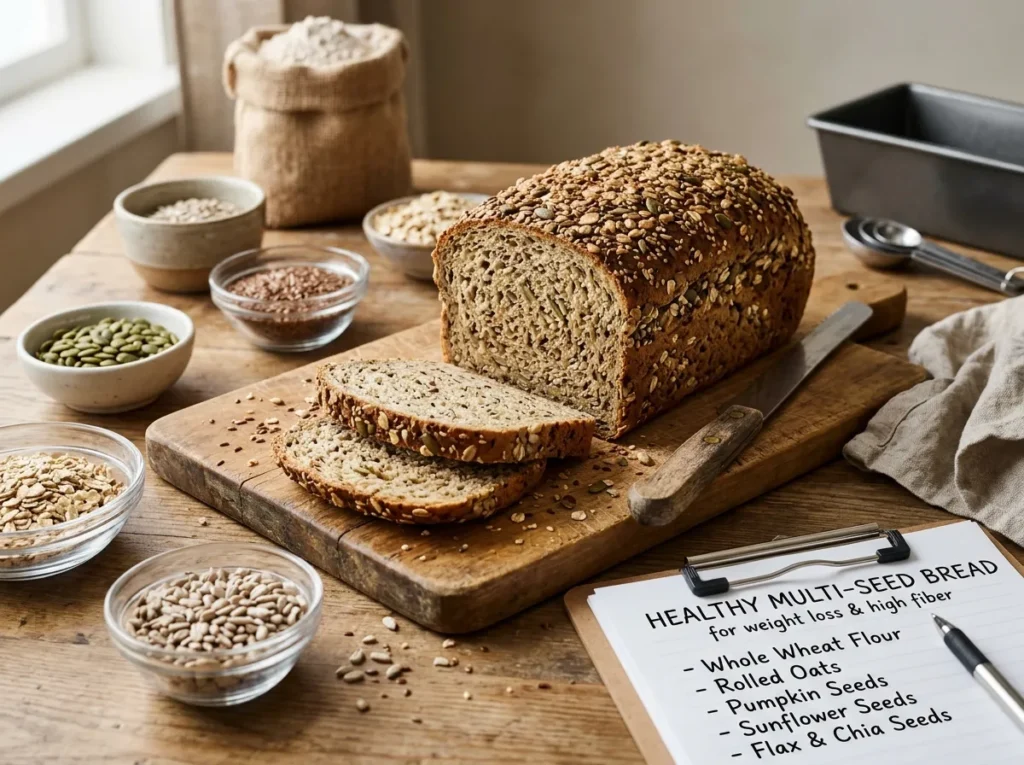
- 2 cups whole wheat flour, finely milled for better texture
- 1 cup all-purpose flour, to balance the density of the whole wheat
- 1 tbsp active dry yeast, for a reliable rise
- 1 tsp sea salt, to enhance the natural flavors of the grains
- 1 cup warm water, approximately 110°F to activate the yeast
- 1/4 cup unsweetened almond milk, for a touch of moisture and softness
- 2 tbsp olive oil, providing healthy fats
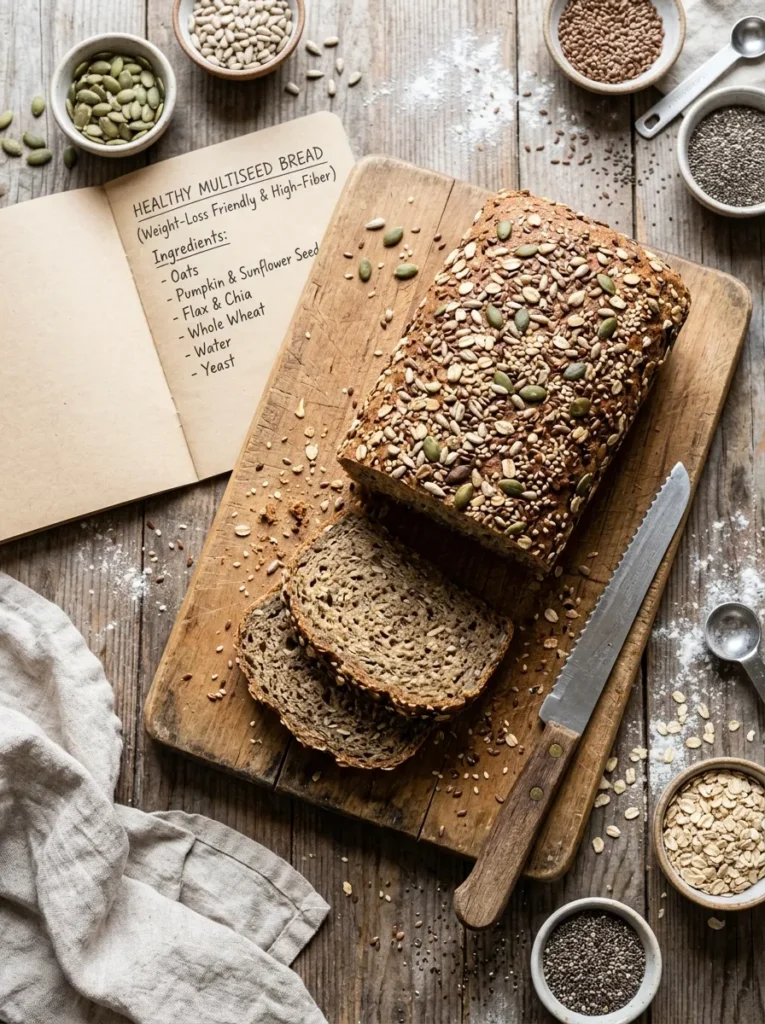
- 1/2 cup mixed seeds, such as sunflower, pumpkin, flax, and chia
- 1 tbsp honey or maple syrup, to feed the yeast and add a subtle depth
Instructions
- In a large mixing bowl, combine the warm water, honey, and yeast, letting it sit until the surface looks foamy and fragrant.
- Add the olive oil and almond milk to the yeast mixture, stirring gently to combine the liquids.
- In a separate bowl, whisk together the whole wheat flour, all-purpose flour, and salt to ensure even distribution of the dry ingredients.
- Gradually add the dry mixture to your wet ingredients, mixing with a sturdy wooden spoon until a shaggy dough begins to form.
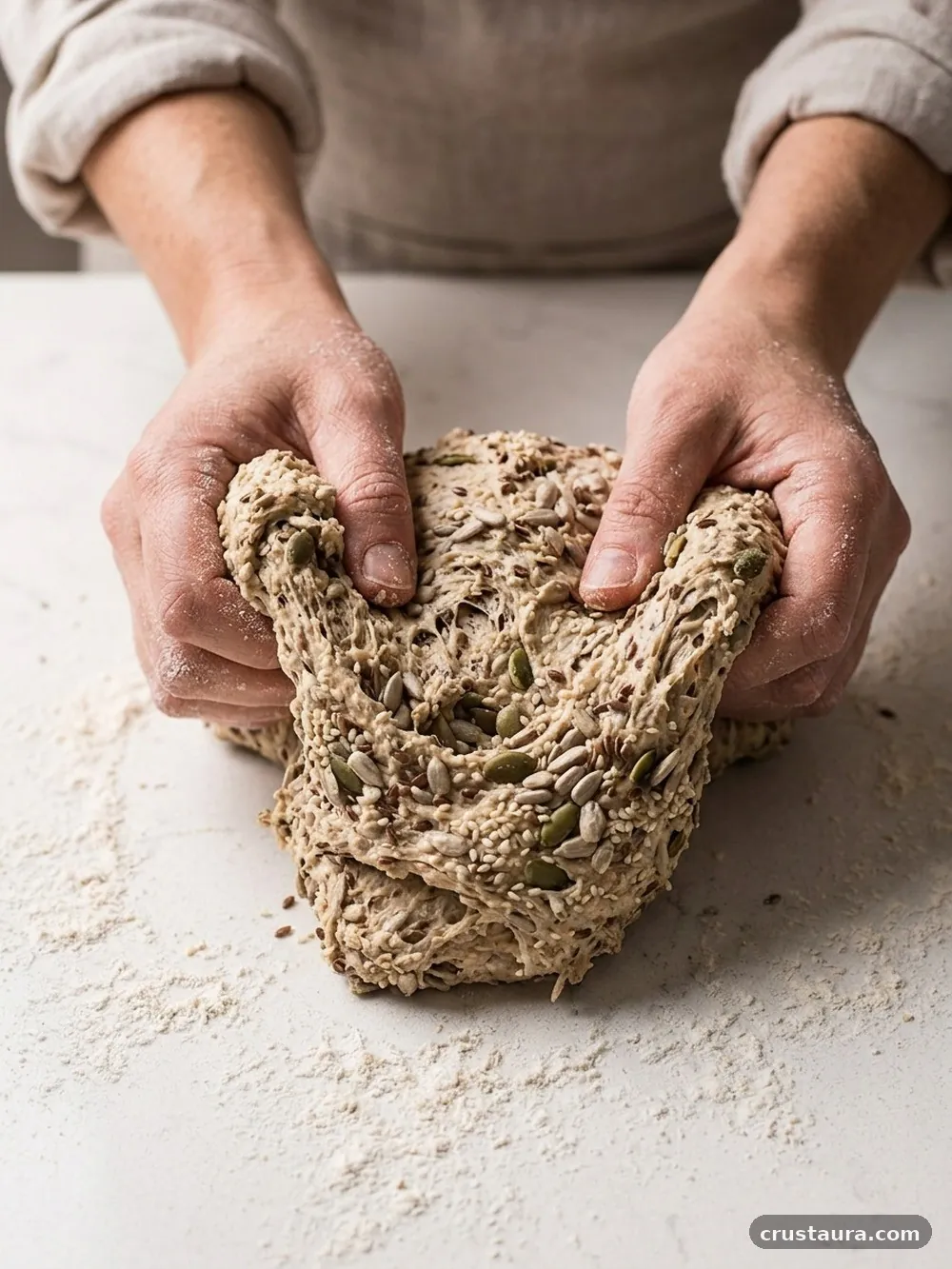
- Fold in your selection of mixed seeds, kneading the dough by hand on a floured surface for about 10 minutes until it becomes elastic and smooth.
- Place the dough into a lightly oiled bowl, covering it with a clean kitchen towel to let it rise in a warm spot until doubled in size, usually about an hour.
- Punch the dough down to release trapped air, then shape it into a log and place it into a greased loaf pan.
- Preheat your oven to 375°F while the shaped dough rests for another 20 minutes to puff up slightly.
- Bake the loaf in the center of the oven until the top is golden brown and the bottom sounds hollow when tapped, which takes about 30 minutes.
- Remove the bread from the pan immediately and let it cool completely on a wire rack before slicing to ensure the crumb sets properly.
The Nutritional Power of Seeds
Incorporating a variety of seeds into your diet is one of the most effective ways to increase nutrient density without adding excessive calories. Seeds like flax and chia are packed with omega-3 fatty acids, which are essential for heart health and reducing systemic inflammation. When you bake these into a loaf, they add a satisfying crunch that changes the entire eating experience.
Beyond the fats, seeds contribute significant amounts of plant-based protein and dietary fiber. Fiber is the secret weapon for anyone trying to manage their weight, as it slows down digestion and prevents rapid spikes in blood sugar. By choosing a healthy multiseed bread recipe for weight loss, you are effectively turning a simple carbohydrate source into a complex, slow-burning fuel.

You can customize your seed blend depending on what you have in your pantry. Sunflower seeds provide a nutty, earthy base, while pumpkin seeds add a slightly sweeter profile. Always try to use raw, unsalted seeds to keep the sodium levels in your homemade bread low.
Why Homemade Beats Store-Bought
Commercial breads often contain hidden sugars, preservatives, and refined oils that do not align with weight loss efforts. Manufacturers frequently use these additives to extend shelf life and enhance the texture of mass-produced loaves. When you make your own bread, you eliminate these unnecessary chemicals entirely.
Making your own bread also gives you full control over the quality of your flour. Many store-bought “whole wheat” breads contain a high percentage of refined flour, which strips away the beneficial bran and germ. By sourcing high-quality whole wheat flour, you ensure that every slice provides the maximum amount of vitamins and minerals.
There is also a psychological benefit to baking at home. It fosters a deeper connection with the food you eat, making you more mindful of your portion sizes and ingredients. You aren’t just consuming calories; you are participating in a process that respects your health and your body.

Mastering the Yeast and Rise
Working with yeast can feel intimidating at first, but it is essentially just a living organism that needs the right environment to flourish. The temperature of your water is critical; if it is too hot, you will kill the yeast, but if it is too cold, the dough will never rise. Aim for a temperature that feels warm to the touch, similar to a baby’s bathwater.
The rise, or fermentation, is where the flavor profile of the bread truly develops. Allowing the dough to proof slowly in a draft-free area ensures that the gluten strands have time to relax and expand. This results in a better texture that isn’t overly dense or gummy.
If you find that your kitchen is particularly cold, you can create a makeshift proofing box by placing your bowl inside the oven with only the light turned on. This provides a consistent, gentle heat that encourages the yeast to work efficiently. Patience during this stage is the difference between a flat, heavy loaf and a light, airy one.
Tips for Success
- Ensure your yeast is fresh; check the expiration date on the packet before you begin.
- Use a digital scale if possible to measure your flour, as the weight can fluctuate significantly based on how tightly it is packed in a cup.
- If you prefer a crustier exterior, place a small pan of hot water on the bottom rack of your oven while the bread bakes to create steam.
- Store your finished loaf in a paper bag or a breathable container to maintain the crispness of the crust, rather than plastic which can soften it.
- For longer storage, slice the bread completely and freeze the slices between sheets of parchment paper for easy toasting on busy mornings.
- If you are looking for more information on the benefits of whole grains, the official nutrition resources provided by the USDA offer excellent guidance on dietary fiber requirements.
Frequently Asked Questions
Is it possible to make this bread without yeast?
You can use baking powder or baking soda combined with an acidic ingredient like buttermilk or yogurt to create a quick bread. However, the texture will be much denser and more like a scone or muffin than a traditional loaf. For a classic bread experience, yeast remains the superior leavening agent.
Can I replace the all-purpose flour with more whole wheat?
You can, but be aware that the bread will be significantly heavier and denser because whole wheat flour lacks the high gluten content of all-purpose flour. If you choose to go 100% whole wheat, consider adding a teaspoon of vital wheat gluten to help the structure. This helps the loaf hold its shape while providing that hearty, chewy texture.
How do I know if the dough has been kneaded enough?
Perform the “windowpane test” by stretching a small piece of dough between your fingers. If it stretches thin enough to let light pass through without tearing, the gluten has developed sufficiently. If it snaps back quickly or tears immediately, keep kneading for a few more minutes.

What if my bread comes out too dry?
Dryness is usually caused by using too much flour or over-baking the loaf. Next time, try reducing the flour by a quarter cup or pulling the bread out of the oven a few minutes earlier. You can also brush the top of the crust with a little bit of water or butter immediately after removing it from the oven to soften it as it cools.
Can I add dried fruit to this recipe?
Adding dried fruit like cranberries or raisins can be a delicious variation, especially if you enjoy a hint of sweetness. Fold them into the dough at the same time as the seeds to ensure they are evenly distributed throughout the loaf. Keep in mind that fruit adds natural sugar, so account for that if you are strictly monitoring your carbohydrate intake.
Final Thoughts
Adopting a healthy multiseed bread recipe for weight loss is a sustainable way to enjoy one of life’s most basic comforts without compromising your health goals. By prioritizing fiber, healthy fats, and high-quality ingredients, you transform bread from a “forbidden” food into a functional part of your balanced diet. The act of baking at home allows you to take charge of your nutrition while filling your kitchen with the incredible aroma of fresh, toasted seeds and grains.
As you become more comfortable with the process, feel free to experiment with different seed combinations or even add herbs like rosemary or thyme for an aromatic twist. Remember that consistency is key, and having a reliable, healthy bread option on hand makes it much easier to stay on track during a busy week. Start with this foundation and enjoy the process of nourishing your body one slice at a time.
Healthy Multiseed Bread Recipe For Weight Loss

Finding a satisfying, nutrient-dense loaf that fits into your dietary goals is a common challenge for those pursuing a healthier lifestyle.
Ingredients
- 2 cups whole wheat flour, finely milled for better texture
- 1 cup all-purpose flour , to balance the density of the whole wheat
- 1 tbsp active dry yeast , for a reliable rise
- 1 tsp sea salt, to enhance the natural flavors of the grains
- 1 cup warm water , approximately 110°F to activate the yeast
- 1/4 cup unsweetened almond milk , for a touch of moisture and softness
- 2 tbsp olive oil, providing healthy fats
- 1/2 cup mixed seeds, such as sunflower, pumpkin, flax, and chia
- 1 tbsp honey or maple syrup, to feed the yeast and add a subtle depth
Instructions
- In a large mixing bowl , combine the warm water, honey, and yeast, letting it sit until the surface looks foamy and fragrant.
- Add the olive oil and almond milk to the yeast mixture, stirring gently to combine the liquids.
- In a separate bowl, whisk together the whole wheat flour , all-purpose flour, and salt to ensure even distribution of the dry ingredients .
- Gradually add the dry mixture to your wet ingredients, mixing with a sturdy wooden spoon until a shaggy dough begins to form.
- Fold in your selection of mixed seeds, kneading the dough by hand on a floured surface for about 10 minutes until it becomes elastic and smooth.
- Place the dough into a lightly oiled bowl, covering it with a clean kitchen towel to let it rise in a warm spot until doubled in size, usually about an hour.
- Punch the dough down to release trapped air, then shape it into a log and place it into a greased loaf pan.
- Preheat your oven to 375°F while the shaped dough rests for another 20 minutes to puff up slightly.
- Bake the loaf in the center of the oven until the top is golden brown and the bottom sounds hollow when tapped, which takes about 30 minutes.
- Remove the bread from the pan immediately and let it cool completely on a wire rack before slicing to ensure the crumb sets properly.

Similar Posts
- 30-Minute Dinners & Quick Meals | Healthy Baking & Breakfast | Healthy Meal Prep, Clean Eating & Nourish Bowls
High-Protein Mushroom Scrambled Eggs Recipe
A high-protein mushroom scrambled eggs recipe provides the perfect balance of earthy flavor and essential nutrients to start your morning. By incorporating clever additions like cottage cheese, you can easily turn a standard breakfast into a muscle-building powerhouse. This dish remains light yet satisfying, making it a staple for anyone looking to optimize their daily…
- 30-Minute Dinners & Quick Meals | Breakfast & Morning Bakes | Healthy Meal Prep, Clean Eating & Nourish Bowls | Special Diets (Gluten-Free, Dairy-Free, Keto)
Benefits Of Lemon And Cucumber In Water For Bloating
Understanding the specific benefits of lemon and cucumber in water for bloating can transform your daily hydration habits. By combining these two simple ingredients, you create a refreshing beverage that supports your digestive system while encouraging you to drink more fluids throughout the day. This combination is popular for its ability to reduce water retention…
- Breakfast & Morning Bakes | Healthy Baking & Breakfast | Healthy Meal Prep, Clean Eating & Nourish Bowls | Special Diets (Gluten-Free, Dairy-Free, Keto)
Ultimate Clean Eating Food List Printable (Free Guide)
Finding a reliable ultimate Clean Eating Food List Printable (Free Guide) simplifies the way you approach your weekly grocery shopping. By focusing on whole, unprocessed ingredients, you can build a sustainable lifestyle that supports your long-term energy levels and health goals without feeling restricted by complicated rules. Jump to Recipe Ingredients Instructions Tips Understanding Clean…
Crispy Spicy Roasted Chickpeas Recipe (Healthy Snack)
Finding a satisfying, plant-based snack that packs both flavor and crunch can be a challenge. A crispy spicy roasted chickpeas recipe (healthy snack) provides the perfect solution, offering a protein-rich snack that satisfies cravings without the need for processed junk. Jump to Recipe Ingredients Instructions Optimizing the Cooking Process Achieving that signature crunch requires careful…
Crispy Spicy Roasted Chickpeas Recipe
Making a batch of homemade snacks is simple when you rely on a reliable Crispy Spicy Roasted Chickpeas Recipe. These bite-sized morsels offer a satisfying crunch combined with a bold, smoky heat that keeps you coming back for more. Whether you are looking for a protein-packed afternoon pick-me-up or a crunchy topping for your favorite…
- 30-Minute Dinners & Quick Meals | Breakfast & Morning Bakes | Healthy Baking & Breakfast | Healthy Meal Prep, Clean Eating & Nourish Bowls | Kids, Family Dinners & Budget Meals
7-Day Clean Eating Meal Plan For Beginners (Easy Recipes
Starting a 7-Day Clean Eating Meal Plan For Beginners (Easy Recipes) is one of the most effective ways to reset your habits and focus on whole, unprocessed foods. By prioritizing nutrient-dense ingredients like lean protein, fresh vegetables, and whole grains, you fuel your body without the need for complicated culinary techniques. This approach simplifies your…