
Ultimate Clean Eating Food List Printable (Free Guide)
Finding a reliable ultimate Clean Eating Food List Printable (Free Guide) simplifies the way you approach your weekly grocery shopping. By focusing on whole, unprocessed ingredients, you can build a sustainable lifestyle that supports your long-term energy levels and health goals without feeling restricted by complicated rules.


- Prep time: 15 minutes
- Cook time: 30 minutes
- Total time: 45 minutes
- Servings: 4
- Calories: 420 per serving
Ingredients
- 1 pound boneless, skinless chicken breast, cut into 1-inch cubes
- 2 tablespoons extra virgin olive oil
- 3 cups broccoli florets, chopped into bite-sized pieces
- 2 bell peppers, seeded and sliced into thin strips
- 1 medium red onion, cut into thin wedges
- 2 cloves garlic, minced finely
- 1 teaspoon dried oregano
- 1/2 teaspoon sea salt
- 1/4 teaspoon black pepper
- 1 cup cooked quinoa
- 1 tablespoon fresh lemon juice
- 1/4 cup fresh parsley, chopped

Instructions
- Heat one tablespoon of olive oil in a large skillet or wok over medium-high heat until it shimmers.
- Add the chicken cubes to the hot pan in a single layer, ensuring they don’t crowd each other.
- Sear the chicken for about 6 to 8 minutes, turning occasionally, until golden brown on all sides and cooked through.
- Remove the chicken from the skillet and set it aside on a clean plate.
- Add the remaining tablespoon of olive oil to the same skillet and toss in the broccoli, bell peppers, and red onion.
- Sauté the vegetables for 5 to 7 minutes until they are tender-crisp and lightly charred at the edges.
- Stir in the minced garlic, dried oregano, salt, and pepper, cooking for one minute until the garlic is fragrant.
- Return the cooked chicken to the skillet and toss everything together to combine the flavors thoroughly.
- Remove the pan from the heat and stir in the cooked quinoa and lemon juice.
- Serve immediately, garnished with the fresh parsley for a bright finish.
Tips
- Substitute the chicken with chickpeas or firm tofu if you prefer a plant-based version of this meal.
- Store leftovers in an airtight glass container in the refrigerator for up to three days for easy meal prep.
- Avoid overcooking the vegetables to maintain their vibrant color and essential nutrient content.
- Use frozen vegetables if fresh produce is out of season to save money and reduce prep time.
Understanding Clean Eating Basics
Clean eating is fundamentally about choosing foods in their most natural, unrefined state. Instead of relying on processed items with long labels, focus on ingredients that look like they came directly from the earth. This approach minimizes your intake of artificial preservatives, dyes, and hidden additives that often sneak into packaged goods.
When you prioritize whole foods, you naturally increase your intake of fiber, vitamins, and minerals. It isn’t about perfection or eliminating entire food groups, but rather making intentional swaps. By using an ultimate Clean Eating Food List Printable (Free Guide), you can identify which items to prioritize during your weekly shopping trip.
Navigating the Produce Section
The produce aisle should be the primary destination for your shopping cart. Fill your basket with a diverse array of colorful vegetables and fruits to ensure you are getting a wide spectrum of phytonutrients. If your budget is tight, look for seasonal produce, as it is usually more affordable and flavorful than out-of-season alternatives.
While many people worry about the cost of organic options, conventional produce is still a valid choice if you wash it thoroughly. Focus on buying what you can afford and prioritize organic for items on the “Dirty Dozen” list if you are concerned about pesticide residues.
You can find more information on food safety standards through the U.S. Food and Drug Administration to help inform your decisions.
Selecting Quality Proteins
High-quality protein is essential for muscle repair and keeping you satiated throughout the day. Opt for lean sources like chicken, turkey, fish, and eggs, which provide the building blocks your body needs. For plant-based eaters, lentils, beans, and quinoa are excellent staples that fit perfectly into any healthy eating pattern.
When buying meat, look for labels that indicate how the animals were raised, such as pasture-raised or wild-caught for fish. Avoid processed deli meats or pre-marinated options that often contain high levels of sodium and sugar. Keeping your proteins clean means you control the seasonings and cooking methods, ensuring no unwanted ingredients end up on your plate.
Choosing Healthy Fats and Oils
Fats are a vital part of a balanced diet, but the source matters immensely. Move away from highly processed vegetable oils like soybean or corn oil and toward cold-pressed, unrefined options. Extra virgin olive oil, avocado oil, and coconut oil are excellent staples to keep in your pantry for cooking and dressings.
Nuts, seeds, and avocados also provide healthy fats along with fiber and antioxidants. Buy these items raw or roasted without added salt or oils to maximize their nutritional profile. Because these fats are calorie-dense, a small handful or a thin slice is all you need to add richness to your meals.

Incorporating Whole Grains
Whole grains are a fantastic source of sustained energy, provided they remain in their intact form. Choose options like brown rice, oats, quinoa, and buckwheat rather than refined white flour products. These grains retain their bran and germ, which contain the fiber necessary for steady blood sugar levels.
If you are sensitive to wheat, there are plenty of gluten-free options that still qualify as clean. Quinoa and amaranth are naturally gluten-free and pack a significant protein punch compared to standard grains. Always check the ingredient label to ensure that the only item listed is the grain itself, with no added sugars or preservatives.

Smart Use of Frozen and Canned Goods
Many shoppers mistakenly believe that only fresh food counts as clean, but that is simply not true. Frozen fruits and vegetables are often picked at the peak of ripeness and flash-frozen, locking in their nutritional value. They are a cost-effective way to ensure you always have healthy options on hand, even when fresh produce is unavailable.
When it comes to canned items, the rule is to look for “no salt added” or “in water” on the label. Avoid canned fruits in heavy syrup, which are packed with unnecessary added sugar. Rinsing canned beans or vegetables under cold water before use is an easy way to reduce the sodium content significantly.
Managing Your Grocery Budget
Healthy eating does not have to be an expensive endeavor if you plan your shopping effectively. Buying in bulk can save significant money on pantry staples like dried beans, brown rice, and nuts. Focus on purchasing ingredients that serve multiple purposes, allowing you to use them in various recipes throughout the week.
Another strategy is to avoid convenience items like pre-chopped vegetables or individual snack packs. While they save time, the markup is often high compared to buying the whole version and preparing it yourself. By dedicating a small amount of time to prep, you can save money while ensuring your food is truly clean.
Building Your Personal Meal Plan
Consistency is the real key to long-term success with your diet. Use your ultimate Clean Eating Food List Printable (Free Guide) to map out your meals for the week before you head to the store. This prevents impulsive purchases of processed snacks and ensures you have all the necessary components for healthy meals.
Try to keep your kitchen stocked with a few “emergency” meals that come together in under 20 minutes. Having a reliable list of pantry staples allows you to pivot if your plans change. Remember that small, incremental changes are often more effective than attempting a complete overhaul of your eating habits overnight.
Concluding Thoughts on Clean Eating
Adopting a clean eating lifestyle is a journey rather than a destination. By using the ultimate Clean Eating Food List Printable (Free Guide), you provide yourself with a clear map to navigate the grocery store with confidence. Focus on whole, unprocessed ingredients that nourish your body and provide the energy you need for your daily activities.
Consistency and preparation remain your best tools for success. Don’t be afraid to experiment with new vegetables or grains to keep your meals exciting and flavorful. By staying mindful of your choices and prioritizing nutrient-dense foods, you will naturally move toward a healthier way of living.
Start by making one or two small changes this week and see how much better you feel. Feel free to share your favorite clean recipes or tips for staying on track with your community.
Ultimate Clean Eating Food List Printable (Free Guide)

Finding a reliable ultimate Clean Eating Food List Printable (Free Guide) simplifies the way you approach your weekly grocery shopping .
Ingredients
- 1 pound boneless, skinless chicken breast, cut into 1-inch cubes
- 2 tablespoons extra virgin olive oil
- 3 cups broccoli florets, chopped into bite-sized pieces
- 2 bell peppers, seeded and sliced into thin strips
- 1 medium red onion, cut into thin wedges
- 2 cloves garlic, minced finely
- 1 teaspoon dried oregano
- 1/2 teaspoon sea salt
- 1/4 teaspoon black pepper
- 1 cup cooked quinoa
- 1 tablespoon fresh lemon juice
- 1/4 cup fresh parsley, chopped
Instructions
- Heat one tablespoon of olive oil in a large skillet or wok over medium-high heat until it shimmers.
- Add the chicken cubes to the hot pan in a single layer, ensuring they don’t crowd each other.
- Sear the chicken for about 6 to 8 minutes, turning occasionally, until golden brown on all sides and cooked through.
- Remove the chicken from the skillet and set it aside on a clean plate.
- Add the remaining tablespoon of olive oil to the same skillet and toss in the broccoli, bell peppers, and red onion.
- Sauté the vegetables for 5 to 7 minutes until they are tender-crisp and lightly charred at the edges.
- Stir in the minced garlic, dried oregano, salt, and pepper, cooking for one minute until the garlic is fragrant.
- Return the cooked chicken to the skillet and toss everything together to combine the flavors thoroughly.
- Remove the pan from the heat and stir in the cooked quinoa and lemon juice.
- Serve immediately, garnished with the fresh parsley for a bright finish.
Similar Posts
- 30-Minute Dinners & Quick Meals | Breakfast & Morning Bakes | Healthy Baking & Breakfast | Healthy Meal Prep, Clean Eating & Nourish Bowls | Kids, Family Dinners & Budget Meals
Healthy Multiseed Bread Recipe For Weight Loss
Finding a satisfying, nutrient-dense loaf that fits into your dietary goals is a common challenge for those pursuing a healthier lifestyle. A homemade healthy multiseed bread recipe for weight loss provides a perfect solution, allowing you to control exactly what goes into your meals while enjoying the hearty texture and deep flavor of whole grains….
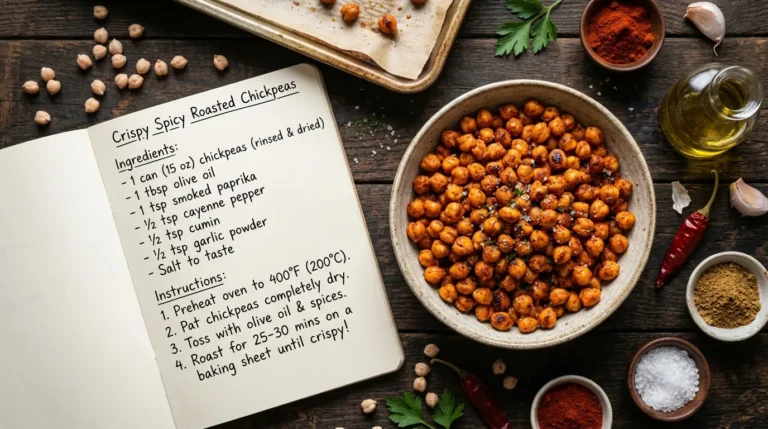
Crispy Spicy Roasted Chickpeas Recipe
Making a batch of homemade snacks is simple when you rely on a reliable Crispy Spicy Roasted Chickpeas Recipe. These bite-sized morsels offer a satisfying crunch combined with a bold, smoky heat that keeps you coming back for more. Whether you are looking for a protein-packed afternoon pick-me-up or a crunchy topping for your favorite…
- 30-Minute Dinners & Quick Meals | Breakfast & Morning Bakes | Healthy Baking & Breakfast | Healthy Meal Prep, Clean Eating & Nourish Bowls | Kids, Family Dinners & Budget Meals
7-Day Clean Eating Meal Plan For Beginners (Easy Recipes
Starting a 7-Day Clean Eating Meal Plan For Beginners (Easy Recipes) is one of the most effective ways to reset your habits and focus on whole, unprocessed foods. By prioritizing nutrient-dense ingredients like lean protein, fresh vegetables, and whole grains, you fuel your body without the need for complicated culinary techniques. This approach simplifies your…
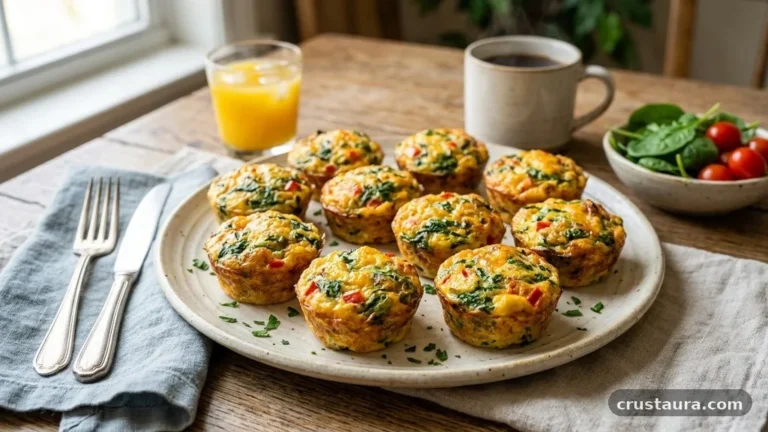
10 Easy Spinach Egg Muffins For Quick Breakfast & Meal Prep
Creating easy Spinach Egg Muffins For Quick Breakfast & Meal Prep allows you to reclaim your morning routine with minimal effort. These portable, protein-packed bites offer a savory start that keeps you satisfied until lunch. By preparing a batch ahead of time, you eliminate the need for rushed morning cooking and ensure a nutritious meal…
- 30-Minute Dinners & Quick Meals | Breakfast & Morning Bakes | Healthy Meal Prep, Clean Eating & Nourish Bowls | Special Diets (Gluten-Free, Dairy-Free, Keto)
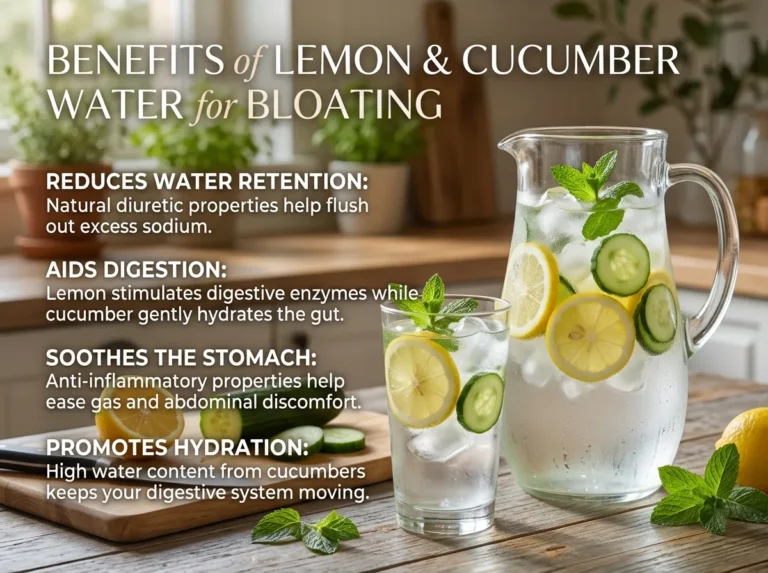
Benefits Of Lemon And Cucumber In Water For Bloating
Understanding the specific benefits of lemon and cucumber in water for bloating can transform your daily hydration habits. By combining these two simple ingredients, you create a refreshing beverage that supports your digestive system while encouraging you to drink more fluids throughout the day. This combination is popular for its ability to reduce water retention…
Crispy Spicy Roasted Chickpeas Recipe (Healthy Snack)
Finding a satisfying, plant-based snack that packs both flavor and crunch can be a challenge. A crispy spicy roasted chickpeas recipe (healthy snack) provides the perfect solution, offering a protein-rich snack that satisfies cravings without the need for processed junk. Jump to Recipe Ingredients Instructions Optimizing the Cooking Process Achieving that signature crunch requires careful…