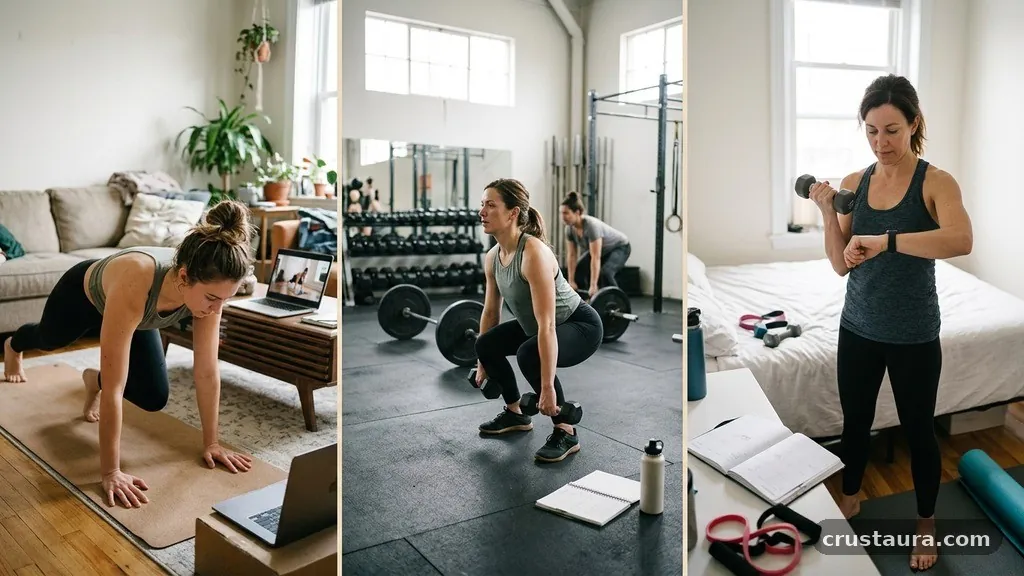
Beginner Friendly Bodyweight Workout Routine for Home Fitness
Starting a beginner friendly bodyweight workout routine is one of the most accessible ways to build physical strength without needing a gym membership or expensive equipment. Whether you are looking to improve your overall health or increase your daily activity, these movements leverage your own weight to create resistance.
By focusing on fundamental patterns, you can develop functional strength and improve your mobility from the comfort of your living room. This approach prioritizes safety and steady progress, ensuring that you build a sustainable foundation for your long-term fitness journey.
Core Principles of Bodyweight Training
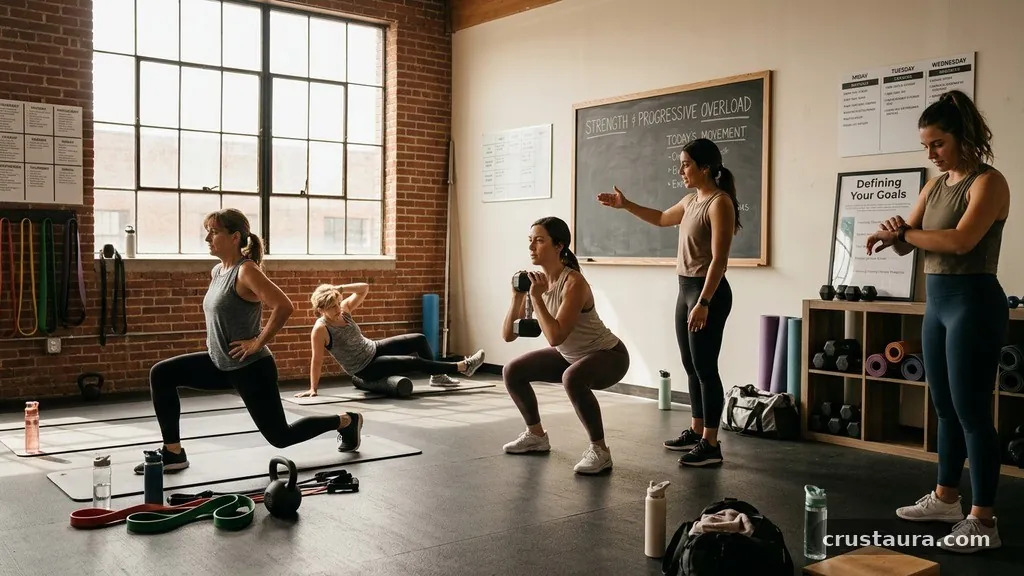
At the heart of any effective training plan is the concept of progressive overload. This means gradually increasing the difficulty of your exercises over time to force your muscles to adapt and grow.
In a bodyweight context, you achieve this by adding repetitions, decreasing rest intervals, or adjusting your range of motion. You do not need heavy dumbbells to see results; you simply need to challenge your body more than you did during your previous session.
Consistency acts as the bedrock of your success. Developing a habit of regular movement ensures that your body experiences the necessary physical adaptation to improve.
You should aim for a workout frequency that you can realistically maintain, such as three days per week. Focusing on compound movements allows you to engage multiple muscle groups simultaneously, which maximizes the efficiency of your time spent training.
Essential Movement Patterns
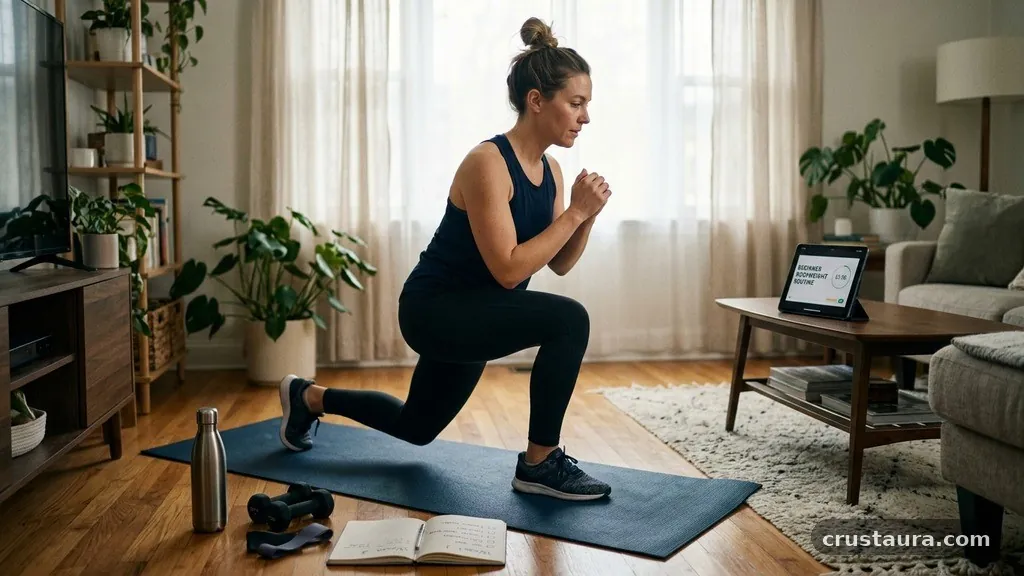
A balanced routine must incorporate exercises that hit all the major muscle groups. You want to include movements that address pushing, pulling, squatting, and hinging patterns.
These fundamental actions mimic real-life activities, which is why they are often referred to as functional strength training. By mastering these, you build a body that is capable, resilient, and ready for daily challenges.
Key Exercises for Beginners
- Squats: Target your quadriceps, hamstrings, and glutes while improving hip mobility.
- Push-ups: Build upper body strength in the chest, shoulders, and triceps.
- Lunges: Enhance balance and unilateral leg strength.
- Plank: Develop core stability and endurance for the midsection.
- Glute Bridges: Isolate the posterior chain to improve posture and lower back health.
Structuring Your Weekly Sessions
When you set up your training schedule, you must consider the importance of recovery time. Your muscles do not grow while you are working out; they grow while you are resting.
Aim for at least one full day of rest between sessions to allow your neuromuscular coordination to recover. This prevents burnout and reduces the risk of injury, keeping your motivation high.
Your session should always begin with a dynamic warm-up routine to prepare your joints and muscles. Spend five to ten minutes performing light movements like arm circles, high knees, or gentle side-to-side lunges.
After your workout, incorporate cool-down stretches to aid in muscle relaxation and flexibility. This structured approach helps you maintain a high standard of movement quality throughout every rep.
The Science of Muscle Growth
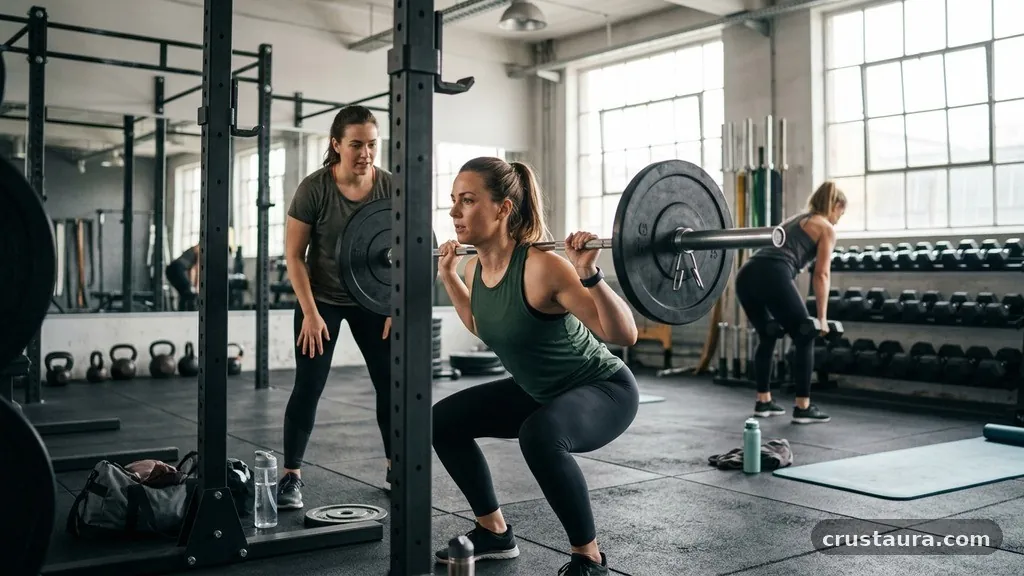
You might wonder how bodyweight exercises lead to muscle hypertrophy without external weights. The answer lies in the time under tension and the focus on the eccentric phase of each movement.
When you lower yourself slowly during a push-up or a squat, you create significant micro-tears in the muscle fibers. These fibers then repair themselves to be stronger and more resilient than they were before.
Focusing on the quality of your repetitions is far more important than the speed at which you complete them. A slow, controlled concentric movement—the part where you are lifting or pushing—ensures that the target muscle is doing the work.
You should avoid using momentum to complete your sets. By controlling your body through the entire range of motion, you demand more from your central nervous system and achieve better results.
Comparing Exercise Variables
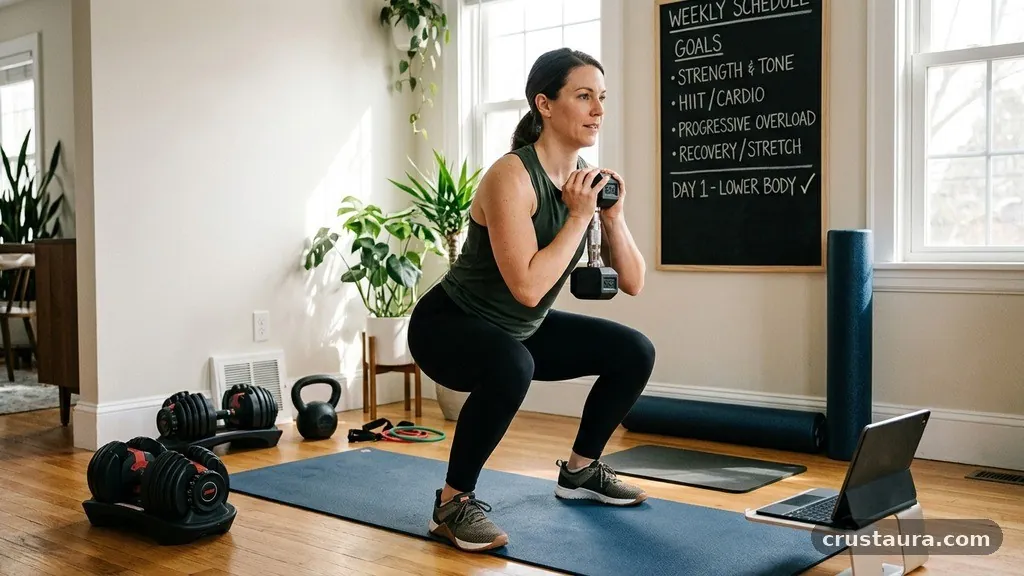
To help you track your progress, it is useful to see how different variables impact your training session. The following table illustrates how adjusting your volume and intensity can influence your results over a typical four-week period.
| Metric | Week 1 | Week 4 |
|---|---|---|
| Push-ups | 3 sets of 8 | 3 sets of 12 |
| Squats | 3 sets of 10 | 3 sets of 15 |
| Plank Hold | 30 seconds | 60 seconds |
| Rest Interval | 90 seconds | 60 seconds |
As you can see, the progression is incremental. By simply adding a few repetitions or shaving off a bit of rest time, you are actively pushing your body to adapt.
This simple data tracking helps you stay focused on your specific goals. You can find more information on exercise standards via the American College of Sports Medicine website, which provides research-backed guidelines for physical activity.
Improving Cardiovascular Endurance
While bodyweight training is excellent for strength, it can also be a potent form of anaerobic exercise when structured correctly. By minimizing your rest intervals between sets, you force your heart rate to stay elevated throughout the session.
Movements like burpees or mountain climbers are particularly effective for this purpose. They elevate your breathing and improve your overall cardiovascular capacity while burning calories.
Integrating these high-intensity movements into your routine helps improve your body composition over time. You are essentially combining strength and conditioning into a single, efficient block of time.
If you feel winded, that is a sign that your body is working hard to supply oxygen to your muscles. Always listen to your body and adjust the intensity to ensure you can maintain proper form.
Common Mistakes to Avoid
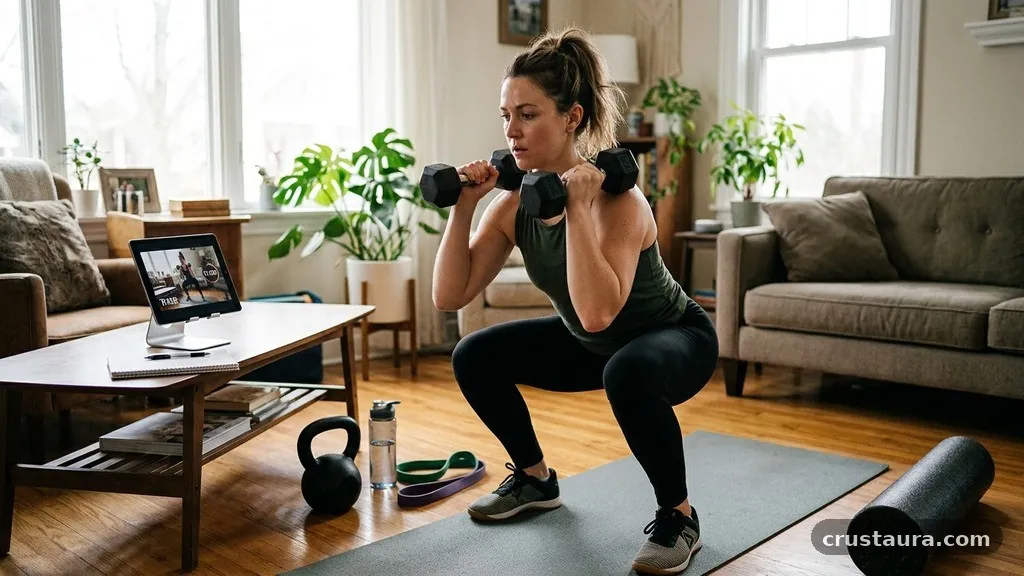
Many beginners fall into the trap of overtraining, which can lead to fatigue and plateaus. You do not need to work out for two hours every day to see progress.
In fact, short, focused sessions are often more effective for building long-term fitness consistency. If you find yourself feeling consistently sore or exhausted, take an extra rest day.
Another common mistake is neglecting your range of motion in favor of high numbers. Doing fifty half-squats is far less effective than doing fifteen deep, controlled squats.
You want to ensure that your joints are moving through their full, healthy capacity. If you feel pain in your joints rather than your muscles, check your form or reduce the intensity of the movement immediately.
Frequently Asked Questions
How often should I train with this routine?
For most beginners, three days per week is ideal. This allows for adequate recovery time while maintaining consistent progress.
Do I need any equipment for these exercises?
No equipment is required. You can perform every movement using just your body weight and a small amount of floor space.
How long should my workouts last?
A productive session typically lasts between 20 and 40 minutes, including your warm-up and cool-down periods.
What if an exercise is too difficult?
Always modify the movement to suit your current strength level. For example, perform push-ups on your knees or against a wall until you are ready for the floor version.
How do I track my progress?
Keep a simple logbook or use a notes app on your phone. Record the number of sets and repetitions for each exercise during every session.
Building Your Future Fitness
Embarking on a beginner friendly bodyweight workout routine is a powerful commitment to your personal health. By focusing on the fundamentals, you create a foundation that supports you for years to come.
Remember that every session is a step forward, regardless of how small it may seem at the time. Stay patient with your progress and celebrate the improvements in your strength and energy levels.
Consistency remains the most important factor in any health journey. If you miss a day, simply pick up where you left off at your next scheduled time.
Your body is highly adaptable, and it will respond positively to the steady, manageable challenges you provide. Start today, keep your movements controlled, and enjoy the process of building a stronger, more capable version of yourself.