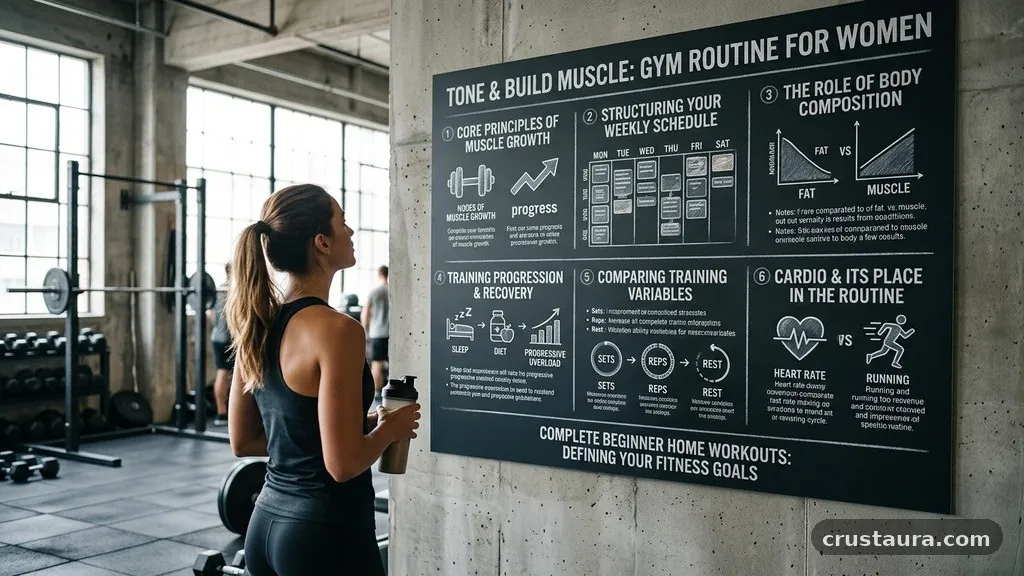
Complete Beginner Guide To Home Workouts
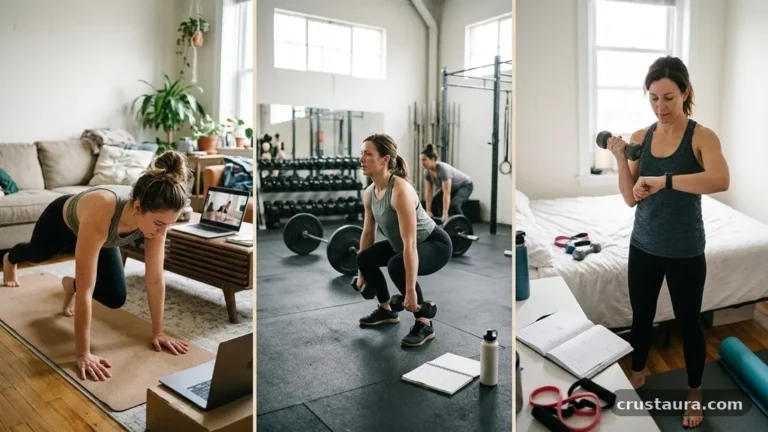
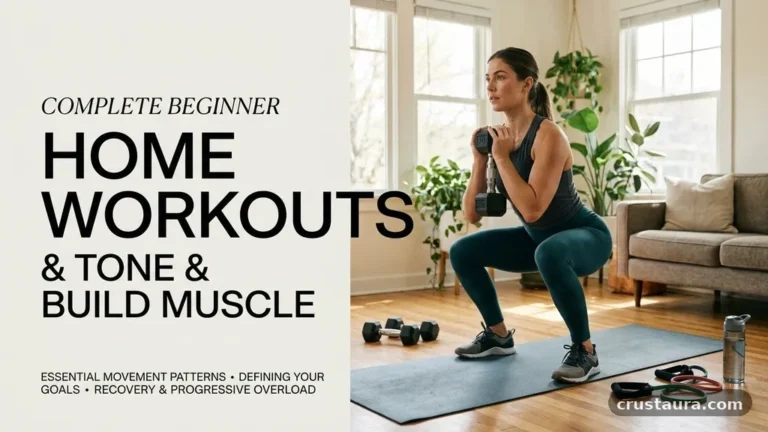
Finding a sustainable path to physical fitness often begins with a complete Beginner Guide To Home Workouts. You do not need a commercial gym membership or expensive machinery to build strength, improve cardiovascular health, and move with more ease. By focusing on bodyweight exercises and minimal equipment, you can transform your living room into a functional training space.
This article provides the foundational principles, safety protocols, and effective movement patterns necessary to build a long-term habit. Whether you are aiming for muscle hypertrophy or simply want to break free from a sedentary lifestyle, the following insights will help you establish a reliable routine that fits your personal schedule.
Defining Your Fitness Goals
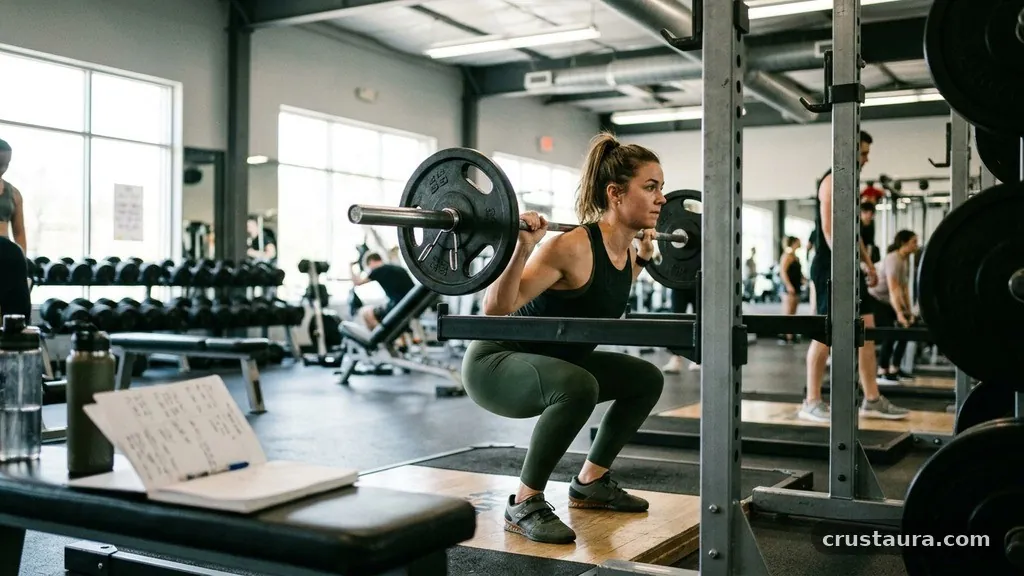
Before you perform your first repetition, you must clarify what you want to achieve. Are you looking to lose weight, build lean muscle, or simply improve your daily energy levels?
Defining these objectives allows you to choose the right training volume and intensity. If your primary aim is general health, focusing on consistent movement patterns is more important than chasing extreme muscle gains.
Setting specific, measurable targets helps maintain workout consistency over the long term. For example, instead of saying you want to get fit, aim to complete three 20-minute sessions per week for a month.
This approach helps you track progress through tangible milestones rather than relying on subjective feelings. You can adjust your plan as your physical capabilities grow.
Understanding your “why” also helps during days when motivation wanes. If you are training to keep up with your children or to reduce back pain from sitting at a desk, those reasons provide a stronger internal drive than vague aesthetic goals. Keep a simple log of your sessions to see how far you have come since your first week.
The Essentials of Movement Patterns
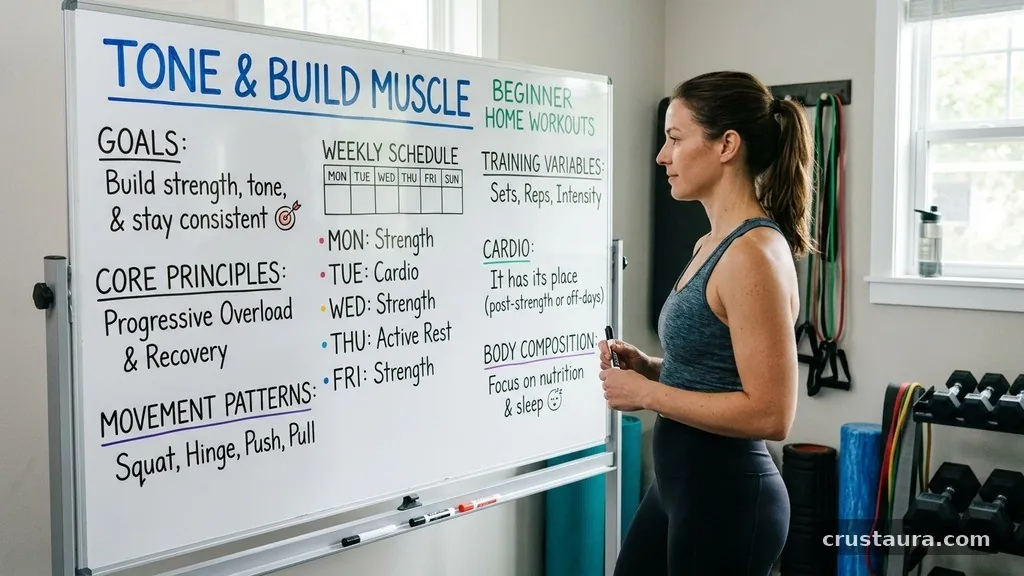
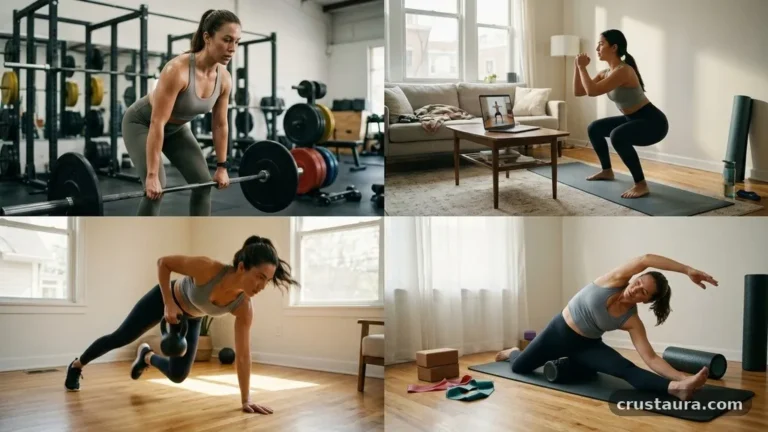
Effective home training relies on compound movements that engage multiple muscle groups simultaneously. Squats, lunges, push-ups, and planks form the bedrock of a balanced routine.
These exercises mimic functional movement, which translates directly into better performance in your daily life. Unlike isolated machine exercises, these movements require core stability to keep your spine safe and your balance steady.
You should prioritize proper form over the number of repetitions performed. Performing five perfect push-ups provides more value than twenty repetitions with poor technique that puts stress on your shoulders. If you find a movement too difficult, regress it to a simpler version, such as performing push-ups against a sturdy kitchen counter instead of the floor.
Common Movement Categories
- Pushing: Push-ups, overhead presses with light weights or resistance bands.
- Pulling: Rows using a door frame or a pull-up bar, or pulling against bands.
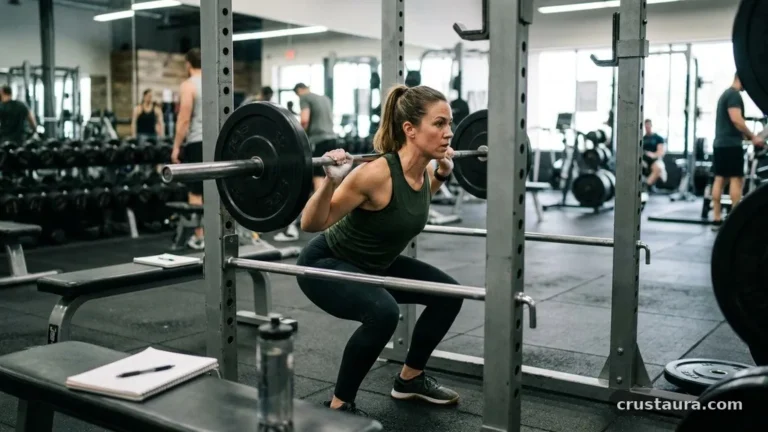
- Squatting: Bodyweight air squats, goblet squats holding a heavy household object.
- Hinging: Glute bridges, Romanian deadlifts with a backpack or kettlebells.
- Carrying/Core: Planks, bird-dogs, or walking while holding a weighted item.
Designing a Sustainable Schedule
The biggest mistake beginners make is starting with a frequency they cannot maintain. If you commit to training every single day, you will likely burn out within two weeks.
Instead, start with two or three days per week and allow your body adequate recovery time between sessions. This allows your muscles to adapt to the new stimuli without excessive soreness or injury risk.
Consistency beats intensity every time. A 30-minute workout performed three times a week for a year is vastly superior to a two-hour session performed once a month.
As your fitness improves, you can increase your training volume by adding more sets or decreasing your rest intervals. This concept, known as progressive overload, is the primary driver of physical adaptation.
Sample Weekly Training Split
| Day | Focus | Duration |
|---|---|---|
| Monday | Full Body Strength | 30 Minutes |
| Wednesday | Cardiovascular & HIIT | 20 Minutes |
| Friday | Full Body Strength | 30 Minutes |
| Saturday | Active Recovery | 15 Minutes |
Managing Recovery and Injury Prevention
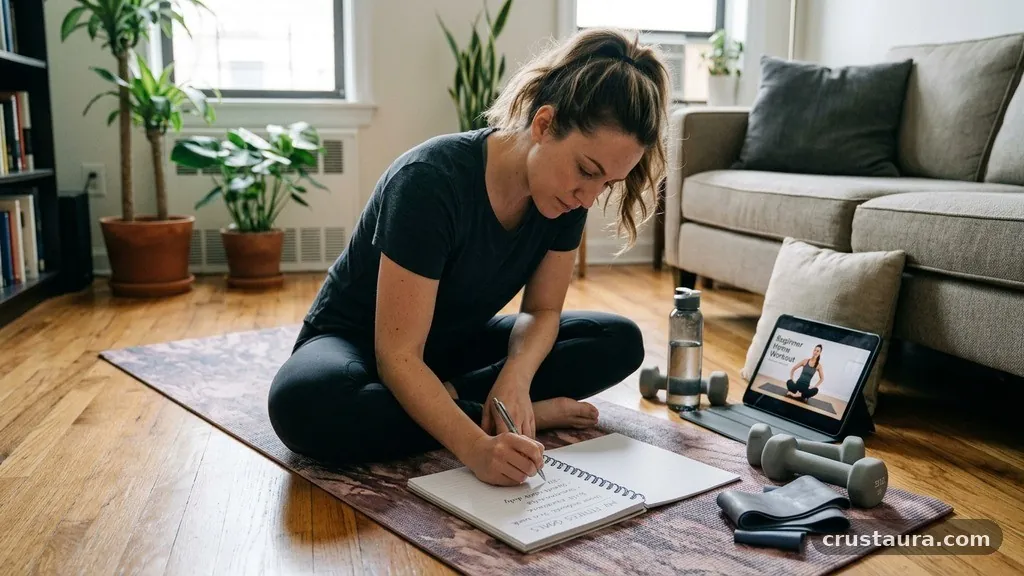
Physical fitness is not just about the work you do during the session; it is about how you recover afterward. Muscle hypertrophy and strength gains occur during rest, not while you are exercising.
If you feel extreme fatigue or persistent joint pain, take an extra rest day. Incorporating foam rolling or simple mobility work can help alleviate tightness caused by a sedentary lifestyle.
Warm-up routines are non-negotiable for anyone looking to stay injury-free. Spend five minutes performing dynamic movements like arm circles, leg swings, and torso twists to increase your heart rate and prepare your joints.
Similarly, finish your sessions with cool-down stretches to help lower your heart rate and improve flexibility training. Listen to your body; it will usually signal when you need to ease off.
Incorporating Minimal Equipment
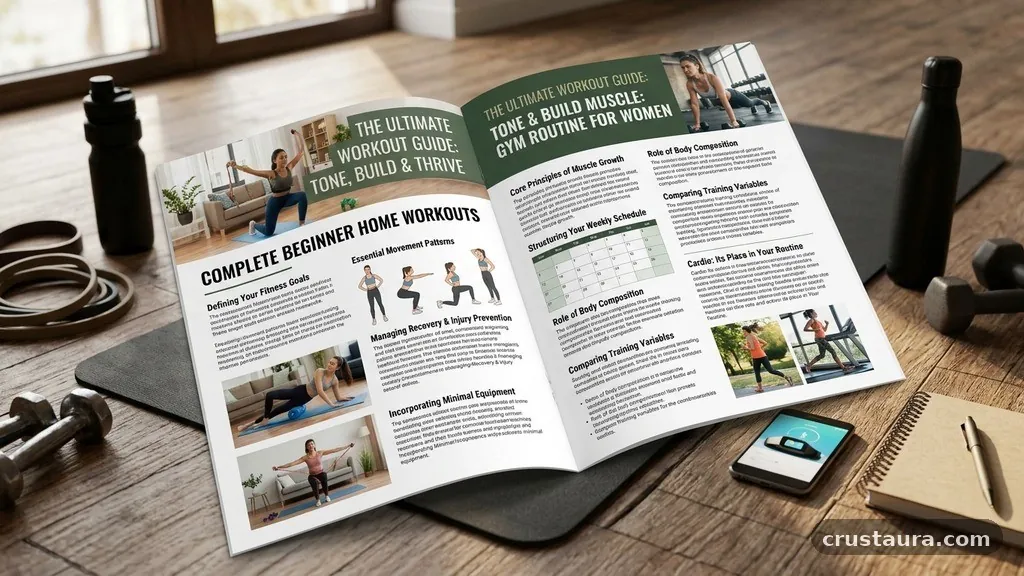
While bodyweight exercises are effective, adding a few inexpensive items can expand your options significantly. Yoga mats provide necessary cushioning for floor-based movements and protect your joints during planks or lunges. Resistance bands are excellent for adding tension to your movements and are safer than heavy free weights for beginners who are still mastering their technique.
Kettlebells are another versatile tool for building strength and improving cardiovascular health simultaneously. Because they are offset in weight, they force your core stability muscles to work harder to maintain balance.
You can find detailed guidance on how to perform these movements safely through resources like the Centers for Disease Control and Prevention physical activity guidelines. Start with lighter weights and focus on the mechanics before moving to heavier implements.
Understanding Intensity and Heart Rate
Tracking your exertion level is a simple way to ensure you are getting the most out of your home workouts. You don’t necessarily need a fancy watch for heart rate monitoring; the “talk test” works perfectly fine for most people. If you can hold a conversation while training, you are in a moderate zone, which is ideal for building aerobic capacity.
If you are performing HIIT (High-Intensity Interval Training), you should be working at an intensity where speaking in full sentences becomes difficult. Anaerobic training, characterized by short, intense bursts of effort followed by rest intervals, is highly effective for burning calories and improving metabolic health. Always pair these intense sessions with adequate rest to avoid overtraining.
The Role of Progressive Overload
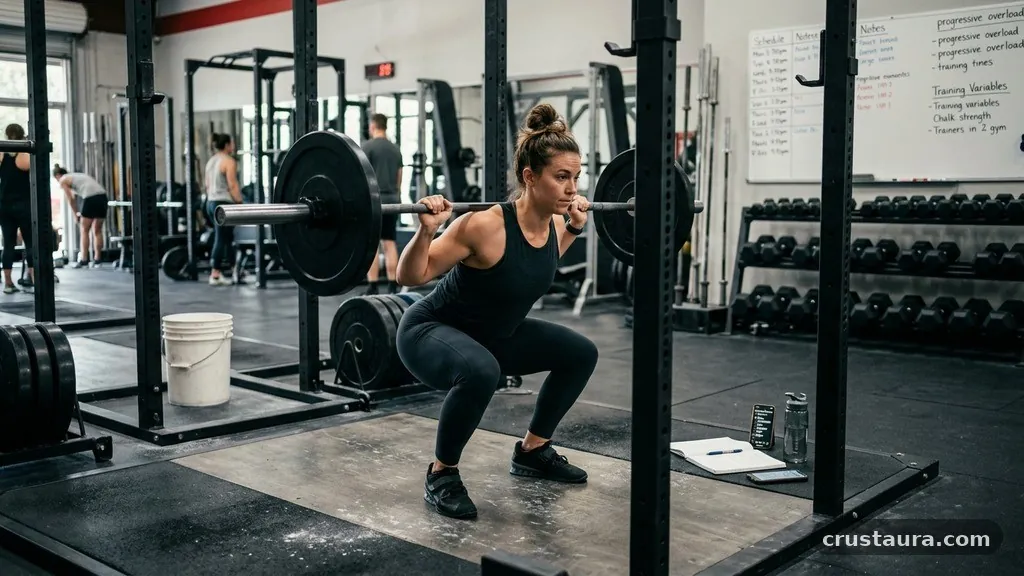
To keep seeing results, you must eventually challenge your body more than you did previously. This is the definition of progressive overload.
You can achieve this by doing more reps, reducing your rest periods, or slowing down the tempo of each repetition. Even small changes, like pausing for two seconds at the bottom of a squat, can make a significant difference.
Neuromuscular adaptation also plays a huge role in your initial progress. In the first few weeks, you aren’t necessarily building massive amounts of muscle, but you are teaching your nervous system to fire your muscles more efficiently.
This is why many beginners feel stronger after only a few sessions. Keep pushing yourself, but ensure your form remains crisp and controlled.
Common Questions About Home Training
How long should my home workout last?
For most beginners, 20 to 45 minutes is the sweet spot. Anything longer can be difficult to sustain, and anything shorter might not provide enough stimulus if you are not working at high intensity.
Do I need to stretch before or after?
Perform dynamic movements before your workout to warm up your muscles. Save static stretches for after your session as part of your cool-down to improve flexibility and aid in muscle recovery.
Can I build muscle without a gym?
Yes, absolutely. By using progressive overload—such as increasing reps, slowing down your tempo, or using resistance bands—you can create enough mechanical tension to stimulate muscle growth right in your living room.
What if I don’t have enough space?
You only need enough floor space to lie down or stand with your arms outstretched. Many effective exercises like squats, lunges, and push-ups require very little room to perform correctly.
Is it okay to work out if I’m sore?
Light muscle soreness is normal, but sharp joint pain is a warning sign. If you are just feeling a bit stiff, light movement like walking or gentle stretching can actually help, but avoid high-intensity training on that specific muscle group until the soreness subsides.
Building Your Future Fitness
Starting a fitness journey from the comfort of your home is one of the most empowering decisions you can make for your long-term health. By following this complete Beginner Guide To Home Workouts, you have the structure needed to move past the initial hesitation and build real, lasting momentum.
Remember that your progress will not always be linear, and that is perfectly normal. Some weeks you will feel strong and energized, while others you may need to focus on gentle recovery and movement.
The key to success is keeping your expectations realistic and celebrating the small wins along the way. Whether it is finally mastering a push-up or simply staying consistent for an entire month, every milestone counts toward your overall physical fitness.
Grab your gear, clear a small space in your home, and start your next session today. Your future self will thank you for the effort you put in right now.